

Durable Waterproof Medical Mattress | Hospital Bed Mattresses
The Critical Role and Evolution of Advanced Medical Mattresses in Healthcare
The modern healthcare landscape demands specialized equipment that not only supports patient recovery but also enhances operational efficiency and mitigates risks. At the forefront of patient care innovation is the advanced medical mattress. Far beyond conventional bedding, these highly engineered solutions are integral to preventing pressure injuries, managing patient comfort, and ensuring hygiene in demanding clinical environments. As a cornerstone of hospital infrastructure, the design and material science behind each hospital bed mattress directly influence patient outcomes, caregiver workload, and healthcare facility costs. This comprehensive overview delves into the intricate world of medical mattresses, from their manufacturing complexities to their pivotal role in diverse medical applications.
With an aging global population and increasing prevalence of chronic conditions, the demand for sophisticated patient support surfaces, including specialized waterproof hospital bed mattress solutions, continues to grow. These products are not just comfort items; they are essential medical devices designed to address specific clinical challenges, such as pressure redistribution, infection control, and support for bariatric patients. Understanding the technical specifications, application benefits, and manufacturing integrity of these products is crucial for procurement professionals, clinical engineers, and healthcare administrators looking to buy hospital bed mattress products that meet rigorous standards.
Industry Trends and Market Dynamics in Medical Mattresses
The global market for medical mattresses is experiencing robust growth, driven by several macro and micro trends. According to recent market analyses, the medical mattress market is projected to reach over USD 4.5 billion by 2027, exhibiting a CAGR of approximately 6-7%. Key drivers include the rising incidence of chronic diseases requiring extended hospital stays, the increasing geriatric population prone to pressure ulcers, advancements in material science, and stringent regulatory requirements for patient safety and infection control.
Key Trends Shaping the Medical Mattress Landscape:
- Technological Advancements: Innovations in foam technology, air pressure systems, and hybrid designs are leading to more effective pressure redistribution and microclimate management. Smart mattresses with integrated sensors for patient monitoring (e.g., real-time pressure mapping, patient movement tracking) are emerging as a significant trend, enhancing proactive care.
- Focus on Pressure Ulcer Prevention: With the high cost associated with treating pressure injuries (estimated at $9,000 to $50,000 per ulcer), healthcare facilities are heavily investing in advanced static and dynamic pressure-relieving support surfaces. The demand for specialized pressure ulcer prevention products is paramount.
- Infection Control & Hygiene: The COVID-19 pandemic further highlighted the critical need for easy-to-clean, disinfectable, and waterproof mattress solutions. Materials that resist fluid penetration, feature antimicrobial properties, and can withstand harsh cleaning agents are in high demand, particularly for waterproof hospital bed mattress products.
- Sustainability: Growing awareness of environmental impact is prompting manufacturers to explore sustainable materials, recyclable components, and more energy-efficient production processes.
- Customization and Specialization: The market is moving towards highly specialized solutions for specific patient populations (e.g., bariatric, pediatric, critical care) and clinical settings (e.g., ICU, long-term care, home care). The ability of a hospital bed mattress factory to offer customized solutions is a competitive advantage.
These trends underscore the importance of selecting a medical mattress that is not only technologically advanced but also compliant with evolving healthcare standards and patient needs. The investment in a high-quality medical mattress yields long-term benefits in patient safety, comfort, and operational efficiency.
Manufacturing Process Flow of Advanced Medical Mattresses
The production of a high-performance medical mattress involves a meticulously controlled process, combining advanced material science with precision engineering. From raw material selection to final quality assurance, each step is critical to ensuring the product meets stringent medical standards, such as those set by ISO 13485 (Medical Devices Quality Management Systems) and FDA regulations.
Schematic Manufacturing Steps:
Sourcing of specialized foams (e.g., high-resiliency foam, viscoelastic memory foam, high-density support foam), waterproof and vapor-permeable cover fabrics (e.g., polyurethane-coated nylon/polyester), and fire-retardant additives. All incoming materials undergo rigorous quality checks for density, firmness, fire retardancy (e.g., CAL TB 117, BS 7177), and biocompatibility.
Foam blocks are cut using precision CNC machining to specified dimensions and profiles. Multiple layers of different foam densities are then laminated using medical-grade adhesives or thermal bonding, creating zones for pressure redistribution, support, and patient comfort. This multi-layer construction is critical for effective pressure injury prevention.
The waterproof mattress cover material is cut, stitched, and often ultrasonically welded to create a durable, fluid-resistant, and breathable enclosure. Zippers, often with protective flaps, are integrated for easy removal and cleaning. Seams are meticulously sealed to prevent fluid ingress, crucial for maintaining hygiene standards of a waterproof hospital bed mattress.
The processed foam core is inserted into the fabricated cover. Components like optional air bladders or pressure sensors (for active systems) are integrated at this stage. Strict adherence to cleanroom protocols may be observed depending on the product's classification and sterilization requirements.
Each finished medical mattress undergoes extensive testing. This includes pressure mapping to verify redistribution capabilities (e.g., using ISO 20342-1 standard methods), fluid resistance testing for waterproof capabilities, durability testing (e.g., repeated compression cycles, shear force resistance), and visual inspection. Compliance with fire safety standards (e.g., NFPA 260, CAL TB 129) and electrical safety (for powered systems) is verified.
Products are carefully packaged to prevent damage during transit. For certain medical applications, sterilization (e.g., ethylene oxide or gamma irradiation) may be performed and validated to ensure aseptic conditions upon delivery.
The target industries for these advanced mattresses span critical care (ICUs), general medical-surgical wards, long-term care facilities, home healthcare, and rehabilitation centers. The inherent advantages include energy saving (reducing patient readmissions due to pressure injuries), superior corrosion resistance of materials (allowing for aggressive disinfection), and prolonged service life (typically 5-10 years, depending on usage and care), offering excellent return on investment for any hospital bed mattress factory or buyer.
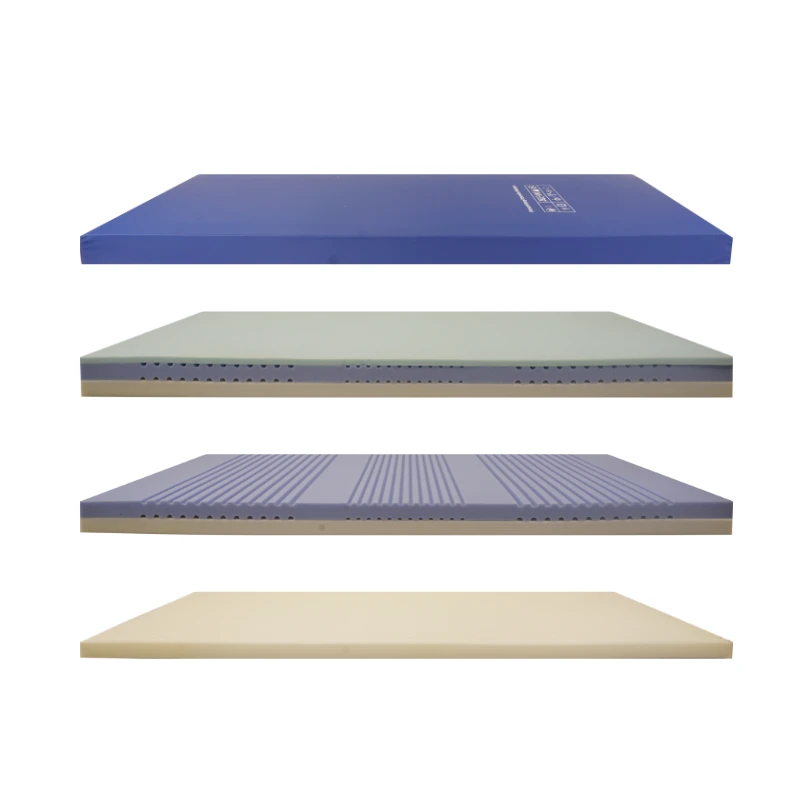
Technical Specifications: ICU Hospital Bed Mattress Three-Layer 140
The ICU Hospital Bed Mattress Three-Layer 140 exemplifies advanced engineering tailored for critical care environments. Designed to offer superior pressure redistribution, fluid management, and durability, this product meets the rigorous demands of intensive care units, ensuring optimal patient support and ease of maintenance for caregivers.
Product Specification Table: ICU Hospital Bed Mattress Three-Layer 140
| Parameter | Specification |
|---|---|
| Product Name | ICU Hospital Bed Mattress Three-Layer 140 |
| Construction | Three-layer foam construction (Base: High-Resiliency Foam; Middle: Viscoelastic Memory Foam; Top: Convoluted HR Foam) |
| Dimensions (Standard) | 2000mm (L) x 900mm (W) x 140mm (H) / (79" L x 35" W x 5.5" H) |
| Weight Capacity | Up to 250 kg (550 lbs) |
| Cover Material | Premium Two-Way Stretch PU-Coated Nylon/Polyester, Waterproof, Vapor Permeable, Flame Retardant, Antimicrobial Treated |
| Pressure Redistribution | Excellent; designed for Stage I-IV pressure ulcer prevention and treatment, conforming to ISO 20342-1 |
| Fire Retardancy | Meets CAL TB 117, BS 7177, EN 597-1&2 |
| Cleanability | Wipeable, disinfectable, removable cover for laundering (up to 95°C) |
| Certifications | ISO 13485, CE, FDA Listed |
| Service Life | Minimum 7 years under normal clinical use |
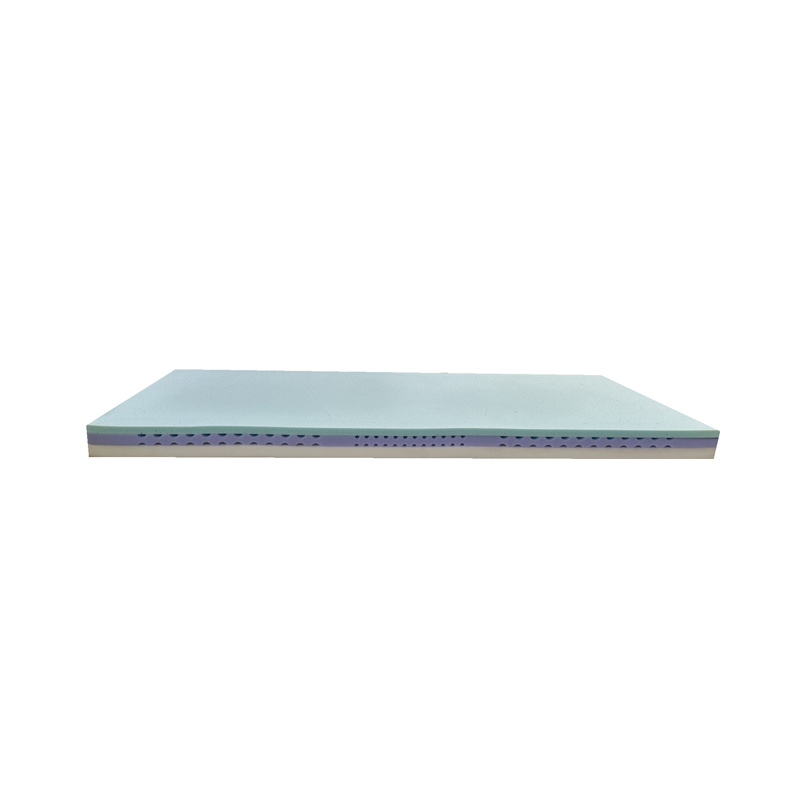
Application Scenarios for Hospital Bed Mattresses
The versatility and specialized design of modern medical mattress solutions make them indispensable across a wide spectrum of healthcare environments. Each scenario presents unique challenges that advanced mattress technology is engineered to address.
- Intensive Care Units (ICUs): In ICUs, patients are often immobile for extended periods, critically ill, and highly susceptible to pressure injuries. The ICU Hospital Bed Mattress Three-Layer 140, with its superior pressure redistribution and microclimate control, is ideal. Its waterproof and antimicrobial cover ensures infection control, which is paramount in these high-acuity settings.
- General Medical-Surgical Wards: For patients recovering from surgery or managing various medical conditions, a comfortable and supportive hospital bed mattress is essential for recovery. Mattresses here often balance pressure relief with ease of patient repositioning and caregiver interaction.
- Long-Term Care Facilities & Nursing Homes: Residents in long-term care are often elderly and have reduced mobility, placing them at high risk for skin breakdown. Durable, easy-to-clean, and highly comfortable waterproof mattress options are crucial for quality of life and preventing complications.
- Home Healthcare: As more care shifts to the home, patients require hospital-grade support surfaces in a domestic setting. Compact, lightweight, yet effective medical mattress designs that are easy to maintain by family caregivers are preferred for home use.
- Bariatric Care: Specialized bariatric hospital bed mattress products are designed to support significantly higher weight capacities while still offering effective pressure redistribution and durability. These often feature reinforced edges and higher-density foams.
- Pediatric Units: Mattresses for pediatric patients require specific dimensions, child-friendly materials, and features that address the unique needs of younger patients, often focusing on comfort and safety.
In all these environments, the ability to maintain a hygienic surface, manage moisture, and prevent shear and friction are universal requirements that a high-quality medical mattress consistently delivers, safeguarding patient health and optimizing care delivery.
Technical Advantages of Advanced Medical Mattresses
The technical advantages of a superior medical mattress are multifaceted, contributing directly to enhanced patient outcomes, improved caregiver efficiency, and overall cost savings for healthcare institutions. These benefits extend beyond mere comfort, addressing critical clinical challenges.
Key Technical Advantages:
- Superior Pressure Redistribution: Multi-layered foam constructions, often incorporating viscoelastic (memory) foam, high-resiliency foam, and engineered zoning, effectively distribute patient weight over a larger surface area. This reduces peak pressure points, significantly lowering the risk of pressure injury development (bedsores), even for patients with limited mobility. Dynamic air mattresses achieve this through alternating pressure cycles.
- Microclimate Management: Advanced covers are vapor-permeable, allowing moisture vapor (perspiration) to escape while remaining fully waterproof. This prevents skin maceration, a key factor in skin breakdown, and promotes a drier, healthier skin environment for the patient.
- Infection Control and Hygiene: The use of seamless or ultrasonically welded, fluid-proof, and antimicrobial covers prevents the ingress of bodily fluids, blood, and pathogens. This allows for thorough cleaning and disinfection with standard hospital-grade solutions, minimizing the risk of Healthcare-Associated Infections (HAIs).
- Shear and Friction Reduction: Low-friction, multi-stretch covers, combined with foam layers that contour to the patient's body, reduce shear and friction forces during repositioning or patient movement. These forces are major contributors to skin damage.
- Durability and Longevity: Constructed with high-density foams and robust cover materials, these mattresses are designed to withstand continuous use and rigorous cleaning protocols in clinical settings. A typical hospital bed mattress offers a service life of 7-10 years, providing a significant return on investment.
- Flame Retardancy: Compliance with international fire safety standards (e.g., CAL TB 117, BS 7177) is crucial. Advanced materials and treatments ensure the mattress meets strict fire retardancy requirements, enhancing patient and facility safety.
- Patient Comfort and Support: While technically focused, the underlying goal is patient well-being. Optimized foam densities and layered designs provide comfortable yet firm support, facilitating better sleep and overall patient experience.
- Corrosion Resistance: Though not typically applicable to a mattress itself, the term refers to the cover's ability to resist degradation from harsh chemical disinfectants over time, maintaining its integrity and waterproof properties. This is a critical factor for a waterproof mattress for hospital bed use.
These technical advantages collectively contribute to a safer, more efficient, and more humane patient care environment, making the decision to buy hospital bed mattress products a strategic investment in healthcare quality.
Vendor Comparison: Key Differentiators in Medical Mattress Supply
Choosing the right vendor for hospital bed mattress products is a critical procurement decision for healthcare organizations. Beyond basic product specifications, factors like manufacturing expertise, regulatory compliance, customization capabilities, and after-sales support significantly differentiate suppliers. Here’s a comparison framework to consider when evaluating a china hospital bed mattress factory or international supplier.
Medical Mattress Vendor Comparison Table (Illustrative)
| Feature/Criterion | Leading Manufacturer (e.g., XinMattress) | Standard OEM Supplier | Budget-Oriented Supplier |
|---|---|---|---|
| Pressure Redistribution Technology | Advanced multi-layer foam (viscoelastic, HR foam), zoned support, dynamic options. ISO 20342-1 verified. | Basic multi-layer foam, some zoning, static pressure relief. | Single or dual-layer foam, limited pressure relief capabilities. |
| Cover Material & Hygiene | Premium PU-coated, 4-way stretch, waterproof, vapor-permeable, antimicrobial, welded seams. Withstands harsh disinfectants. | PU-coated, 2-way stretch, waterproof, sometimes antimicrobial, stitched seams. Moderate disinfectant resistance. | Vinyl or basic PU, less breathable, stitched seams, limited durability to cleaning. |
| Certifications & Compliance | ISO 13485, CE, FDA Listed, UL/ETL, extensive fire safety (CAL TB 117, BS 7177). | Basic CE or regional certifications, limited fire safety testing. | Minimal or no internationally recognized medical certifications. |
| Customization Options | Extensive; custom dimensions, foam densities, cover materials, branding. | Limited; minor dimension adjustments, choice of standard covers. | Virtually none; standard off-the-shelf products only. |
| Warranty & After-Sales | Comprehensive 7-10 year warranty, dedicated support, spare parts availability. | Standard 3-5 year warranty, basic support, limited spare parts. | 1-2 year limited warranty, minimal support. |
| Innovation & R&D | Continuous investment in new materials, smart mattress tech, clinical trials. | Follows market trends, limited in-house R&D. | Focus on cost reduction, minimal R&D. |
A thorough evaluation of these criteria ensures that healthcare providers choose a partner capable of delivering high-quality, compliant, and durable medical mattress solutions that align with long-term patient care objectives.
Customized Medical Mattress Solutions
In an industry as diverse as healthcare, a one-size-fits-all approach rarely suffices. Leading manufacturers understand this, offering comprehensive customized solutions for their medical mattress lines. This flexibility allows healthcare facilities to procure products perfectly tailored to their specific patient populations, clinical protocols, and existing equipment.
Areas of Customization:
- Dimensions and Fit: Custom sizes to fit non-standard hospital beds, stretchers, or specialized surgical tables. This includes variations in length, width, and height.
- Foam Composition and Density: Tailoring the layers of foam (e.g., firmer base for bariatric patients, softer top layer for enhanced comfort, specific zoning for targeted pressure relief) to meet unique patient needs or clinical directives.
- Cover Material Enhancements: Options for specific colors, antimicrobial treatments, reinforced seams for extremely high-use areas, or integrated patient transfer handles. The ability to specify a waterproof mattress cover with unique properties is often sought after.
- Branding and Labeling: Inclusion of hospital logos, department-specific labeling, or unique product identifiers for inventory management.
- Integration with Existing Systems: Designing mattresses to seamlessly integrate with advanced hospital beds that feature articulation, CPR release functions, or specialized patient weighing systems.
- Fire Safety Standards: Customizing fire retardant properties to meet regional or facility-specific fire codes that may exceed standard requirements.
Engaging with a flexible hospital bed mattress factory ensures that the investment in a new mattress fleet addresses precise clinical needs, optimizes patient care, and enhances operational workflow without compromise.
Application Case Studies
The real-world impact of advanced medical mattresses is best illustrated through their successful deployment in diverse healthcare settings. These case studies highlight the tangible benefits achieved by leveraging high-quality solutions like the ICU Hospital Bed Mattress Three-Layer 140.
Case Study 1: Large Urban Medical Center - ICU Upgrade
Challenge: A 50-bed ICU in a major urban hospital faced persistent challenges with pressure injuries, particularly among long-stay or critically ill patients. Existing mattresses were older, difficult to clean, and did not provide adequate pressure redistribution, contributing to higher treatment costs and extended patient recovery times. Staff reported increased time spent on patient repositioning.
Solution: The hospital partnered with a leading china hospital bed mattress factory to upgrade all 50 ICU beds with the ICU Hospital Bed Mattress Three-Layer 140. The decision was based on its validated pressure redistribution capabilities, fully sealed waterproof mattress cover, and robust construction.
Outcome: Within six months of deployment, the incidence of hospital-acquired pressure injuries in the ICU decreased by 65%. Nurses reported a significant reduction in time spent on manual repositioning, allowing them to focus more on critical care tasks. The ease of cleaning and disinfection improved infection control measures, contributing to an overall safer patient environment. Patient feedback highlighted enhanced comfort and improved sleep quality.
Case Study 2: Regional Long-Term Care Facility - Enhanced Resident Comfort & Hygiene
Challenge: A 100-bed long-term care facility struggled with resident comfort and maintaining hygiene standards with their aging mattress inventory. Many residents had limited mobility, and existing mattresses showed signs of wear, compromising their waterproof properties and leading to fluid ingress and odor issues.
Solution: The facility invested in a fleet of advanced waterproof mattress for hospital bed units designed specifically for long-term care, emphasizing durability, easy cleaning, and enhanced comfort. They opted for a model with a multi-stretch, fluid-proof cover and a medium-firm foam core.
Outcome: Resident satisfaction scores related to comfort significantly improved. The new waterproof mattress covers dramatically reduced instances of fluid penetration, simplifying cleaning protocols and improving overall facility hygiene. Staff reported a reduction in laundry processing due to fewer contaminated linens. The durable construction is projected to provide a longer service life, reducing replacement costs over time.
Case Study 3: Bariatric Ward - Specialized Support
Challenge: A specialized bariatric ward needed mattresses capable of safely supporting patients up to 450 kg (1000 lbs) while still providing effective pressure relief and durability. Standard hospital bed mattress products frequently sagged or wore out quickly under heavy loads.
Solution: The ward collaborated with a leading manufacturer to develop a custom bariatric medical mattress. This solution featured an ultra-high-density foam core, reinforced perimeters, and specialized support zones to distribute the weight of bariatric patients evenly, preventing bottoming out and reducing shear forces.
Outcome: The customized mattresses provided stable and comfortable support for bariatric patients, eliminating issues of premature degradation. Clinical staff observed improved patient mobility and reduced risk of pressure injuries in this vulnerable population. The tailored design ensured the mattresses were perfectly integrated with existing bariatric bed frames.
Ensuring Trustworthiness: FAQ, Lead Times, Warranty, and Support
For B2B buyers, trustworthiness is paramount. A reputable medical mattress supplier provides clear information on product support, fulfillment, and long-term commitment. Our commitment to excellence extends beyond manufacturing to comprehensive customer service.
Frequently Asked Questions (FAQ):
- Q: What is the typical lifespan of a medical mattress?
A: Our high-quality medical mattress products, like the ICU Hospital Bed Mattress Three-Layer 140, are designed for a service life of 7-10 years under normal clinical use, with proper care and maintenance. - Q: Are your mattresses compatible with all hospital beds?
A: Our standard hospital bed mattress dimensions are designed to fit most common hospital bed frames. We also offer customized dimensions to ensure perfect compatibility with specialized or older bed models. - Q: How do I clean and disinfect the mattress?
A: The waterproof covers are designed for easy cleaning. They can be wiped down with common hospital-grade disinfectants. For deeper cleaning, covers are typically removable and machine washable up to 95°C (specific instructions provided with each product). - Q: What certifications do your products hold?
A: All our medical mattress products adhere to strict international standards, including ISO 13485 (Medical Devices Quality Management), CE Marking (European conformity), and are FDA Listed. Fire safety compliance (e.g., CAL TB 117, BS 7177) is also standard. - Q: Can you provide samples for evaluation?
A: We understand the importance of evaluating products in your clinical setting. Please contact our sales team to discuss sample availability and trial programs.
Lead Time and Fulfillment:
Standard orders for our ICU Hospital Bed Mattress Three-Layer 140 typically have a lead time of 4-6 weeks from order confirmation to shipment, depending on quantity and customization. For urgent requirements or large-volume projects, please contact our logistics department for expedited options and detailed fulfillment schedules. Our efficient supply chain ensures timely delivery, whether you're looking to buy hospital bed mattress products for a single facility or a large network.
Warranty Commitments:
We stand behind the quality and durability of our products. The ICU Hospital Bed Mattress Three-Layer 140 comes with a comprehensive 7-year limited warranty against manufacturing defects and foam degradation under normal use. Warranty details, including coverage for the mattress core and cover, are provided with each purchase and are available upon request.
Customer Support Information:
Our dedicated customer support team is available to assist you with any inquiries, from product selection and technical specifications to order tracking and after-sales service. We offer multi-channel support via phone, email, and a dedicated online portal. Our goal is to ensure a seamless experience and maximize the operational life of your hospital bed mattress product.
- Phone: +86-XXX-XXXX-XXXX (Available Monday-Friday, 9 AM - 5 PM UTC+8)
- Email: sales@xinmattress.com
- Online Support Portal: www.xinmattress.com/support
Conclusion: The Future of Patient Support Surfaces
The evolution of the medical mattress reflects a broader commitment within the healthcare industry to enhance patient safety, improve clinical outcomes, and optimize operational efficiency. From advanced material science to meticulous manufacturing processes and robust quality control, every aspect of a high-quality hospital bed mattress is designed to meet the rigorous demands of modern medical environments. As healthcare continues to innovate, the role of sophisticated patient support surfaces will only grow in importance, driven by ongoing research into pressure injury prevention, infection control, and patient comfort. Investing in state-of-the-art medical mattress solutions is not merely a purchase; it is a strategic decision that underpins the quality and reliability of patient care.
References:
- Agency for Healthcare Research and Quality (AHRQ). (2014). Preventing Pressure Ulcers in Hospitals. Retrieved from AHRQ Website.
- National Pressure Injury Advisory Panel (NPIAP). (2019). Pressure Injury Stages. Retrieved from NPIAP Website.
- World Health Organization (WHO). (2016). Guidelines on Hand Hygiene in Health Care. Retrieved from WHO Website.
- ISO 13485:2016 Medical devices – Quality management systems – Requirements for regulatory purposes. International Organization for Standardization.
- European Pressure Ulcer Advisory Panel (EPUAP). (2019). Prevention and Treatment of Pressure Ulcers/Injuries: Clinical Practice Guideline.
-
What Is the Pressure Redistribution Capability of Silicone Mattresses?NewsNov.17,2025
-
How Do You Clean and Disinfect a Silicone Hospital Mattress?NewsNov.17,2025
-
Sleep Monitoring Mattress CalibrationNewsSep.04,2025
-
Pressure Relieving Foam Mattress Waterproof CoversNewsSep.04,2025
-
Cool Gel Mattress Ambulance UseNewsSep.04,2025
-
Coir and Foam Mattress Minimalist LivingNewsSep.04,2025
-
Bed Mattress for Back Pain Emergency UseNewsSep.04,2025
 Afrikaans
 Albanian
 Arabic
 Armenian
 Belarusian
 Bengali
 Bulgarian
 China
China
 Czech
Czech
 Danish
 Dutch
Dutch
 Esperanto
 Finnish
 French
 German
 Greek
Greek
 Hawaiian
 Hebrew
 Hindi
Hindi
 Hungarian
 Indonesian
 Irish
Irish
 Italian
 Japanese
 Kazakh
 Rwandese
 Korean
 Lao
Lao
 Latin
Latin
 Maori
Maori
 Mongolian
 Myanmar
 Nepali
 Polish
 Portuguese
 Romanian
 Russian
 Serbian
 Slovak
 Slovenian
 Spanish
 Swedish
 Tagalog
 Tatar
Tatar
 Thai
Thai
 Turkish
 Ukrainian
 Urdu
Urdu
 Uighur
 Uzbek
Uzbek
 Vietnamese
 English