

Premium Medical Mattress: Best Sleep Therapy & Protection
Elevating Patient Care: The Advanced Medical Mattress
In contemporary healthcare, the strategic integration of advanced patient support systems is paramount for optimizing recovery outcomes, enhancing patient comfort, and bolstering operational efficiency for medical facilities. The modern medical mattress transcends its traditional role as a mere sleeping surface, evolving into a sophisticated therapeutic device that actively contributes to patient well-being and clinical monitoring. Our focus is on the Functional Sleep Monitoring Mattress, a cutting-edge solution designed to address critical challenges in diverse medical environments, from acute care settings to long-term rehabilitation.
This comprehensive overview delves into the intricate technical specifications, application versatility, and profound impact of such specialized mattresses on patient care. We will explore the meticulous manufacturing processes, validate performance through stringent testing standards, and present compelling data to underscore their transformative potential within the healthcare ecosystem. For B2B decision-makers and clinical engineers, understanding these nuances is crucial for informed procurement and the elevation of patient experience.
Industry Trends in Advanced Medical Mattresses
The global healthcare sector is witnessing a rapid evolution in patient support technology. Key trends driving innovation in the medical mattress industry include:
- Smart Monitoring Integration: A significant shift towards mattresses equipped with integrated sensors for real-time monitoring of vital signs (heart rate, respiration), patient movement, sleep patterns, and pressure distribution. This facilitates early detection of patient deterioration and proactive intervention.
- Advanced Pressure Redistribution: Continuous advancements in material science and active air-cell technologies aim to minimize peak pressure points, significantly reducing the incidence of pressure injuries (decubitus ulcers) – a critical quality indicator in healthcare. Technologies like alternating pressure, low air loss, and immersion/envelopment systems are becoming standard.
- Enhanced Infection Control: The demand for mattresses with impermeable, antimicrobial, and easy-to-clean covers is accelerating due to heightened awareness of hospital-acquired infections (HAIs). Materials resistant to bodily fluids and disinfectants are now a baseline requirement for any protective mattress.
- Sustainability and Material Innovation: A growing emphasis on environmentally friendly and durable materials, reducing the carbon footprint of healthcare facilities while ensuring product longevity and cost-effectiveness.
- Personalized Patient Care: Customizable mattress solutions that can adapt to individual patient needs, weight, body shape, and specific medical conditions, moving towards truly personalized therapeutic support. This contributes to a truly premium mattress experience.
These trends collectively define the future of patient support, highlighting the pivotal role of advanced medical mattress systems in achieving superior patient outcomes and operational excellence.
Understanding the Functional Sleep Monitoring Mattress: Core Components and Functionality
The Functional Sleep Monitoring Mattress represents the zenith of best sleep therapy mattress technology. It meticulously integrates multiple layers of advanced materials with sophisticated embedded electronics to provide both therapeutic support and invaluable diagnostic data. Its design centers on preventing common complications such as pressure ulcers while offering real-time insights into a patient's physiological state.
Key Components:
- Core Support Layer: Typically constructed from high-density, high-resilience (HR) polyurethane foam or a series of interconnected air cells. This layer provides foundational support, ensuring spinal alignment and stability. For air-cell systems, an intelligent pump unit continuously adjusts internal pressure to optimize pressure redistribution.
- Pressure Redistribution Layer: Often composed of viscoelastic (memory) foam, gel-infused foam, or a combination of specialized polymer materials. These layers conform precisely to the patient’s body contours, maximizing contact area and thereby minimizing localized pressure, crucial for preventing tissue ischemia and pressure injury development.
- Integrated Sensor Array: A network of non-invasive sensors strategically embedded within the mattress. These can include:
- Piezoelectric or Strain Gauge Pressure Sensors: To map pressure distribution across the body surface and detect patient movement or repositioning needs.
- Pneumatic or Capacitive Sensors: To monitor subtle respiratory movements, providing data on breathing rate and patterns.
- Photoplethysmography (PPG) Sensors: For contact-free heart rate monitoring.
- Temperature and Humidity Sensors: To manage the microclimate around the patient, crucial for skin integrity.
- Control Unit & Connectivity: A dedicated embedded system processes sensor data, often employing proprietary algorithms for artifact reduction and accurate signal interpretation. Data is transmitted wirelessly (e.g., Wi-Fi, Bluetooth Low Energy) to a central nursing station, electronic health record (EHR) system, or mobile devices for remote monitoring.
- Protective Cover: A multi-directional stretch, vapor-permeable, fluid-resistant, and antimicrobial cover. Materials like polyurethane-coated nylon or vinyl are common, designed for easy cleaning and disinfection, resisting the ingress of bodily fluids while allowing moisture vapor to escape, maintaining a healthy skin microclimate.
This synergistic combination ensures a therapeutic environment while providing clinicians with critical, actionable data, positioning it as a pivotal tool in modern patient management.
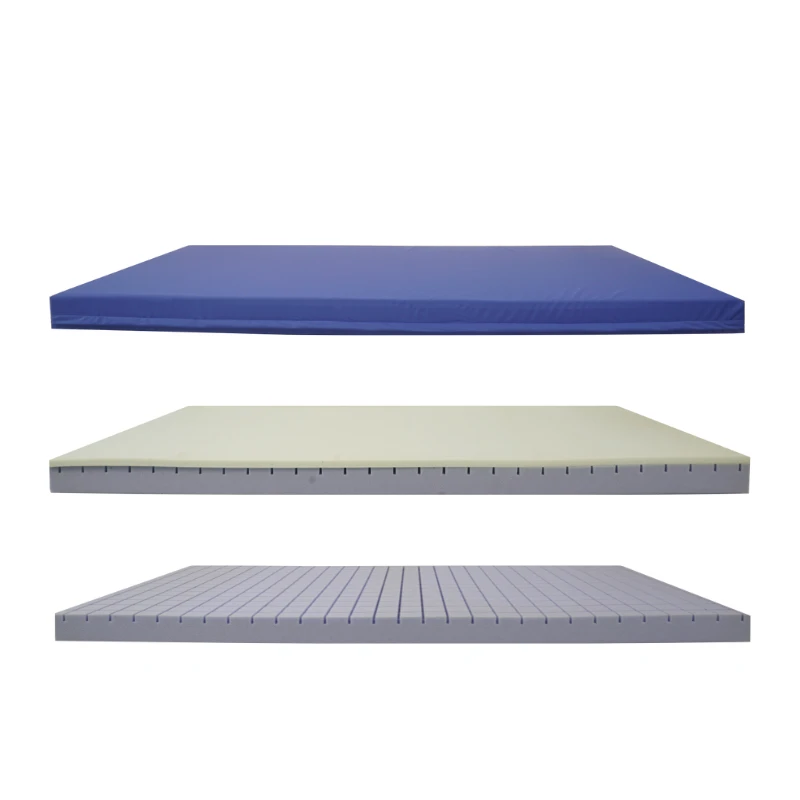
Fig 1: Illustration of a modern smart medical mattress system.
Manufacturing Process Flow of a Medical Mattress
The production of a sophisticated medical mattress involves a meticulously controlled, multi-stage process, integrating advanced material science with precision engineering. Adherence to strict quality management systems, such as ISO 13485, is fundamental at every step.
Process Steps:
- Material Sourcing and Incoming Quality Control (IQC):
- Foam Components: High-resilience polyurethane foams, viscoelastic foams, or specialized gel polymers are sourced from certified suppliers. IQC involves density checks, indentation force deflection (IFD) tests, rebound elasticity, and flammability testing (e.g., CAL 117, BS 7177).
- Cover Fabrics: Vapor-permeable, fluid-resistant, and antimicrobial textiles (e.g., bi-elastic polyurethane-coated polyester/nylon) undergo checks for tensile strength, tear resistance, liquid penetration, and microbial inhibition properties.
- Electronic Components: Sensors, PCBs, wiring, and control units are procured with verified certifications (e.g., IEC 60601 for medical electrical equipment) and subjected to electrical functional testing.
- Core Layer Fabrication:
- CNC Foam Cutting: Raw foam blocks are precisely cut to specified dimensions and profiles using computer numerical control (CNC) machines, ensuring geometric accuracy for layering and channeling.
- Layering and Bonding: Different foam types (support, immersion, transfer layers) are bonded together using non-toxic, medical-grade adhesives or thermal lamination techniques, creating a monolithic core designed for optimal pressure distribution.
- Integration of Smart Monitoring Systems:
- Sensor Embedding: Pressure sensors, respiratory sensors, and other diagnostic elements are precisely placed and secured within specific foam layers or integrated into a sub-mat structure.
- Wiring and Connectivity: Wiring harnesses are routed securely to connect sensors to the main control unit, ensuring robust signal transmission and resistance to mechanical stress.
- Module Encapsulation: Sensitive electronic modules are encapsulated or housed in protective, fluid-resistant casings to ensure durability and prevent contamination.
- Cover Material Production:
- Fabric Cutting & Stitching: Cover fabrics are precisely cut and sewn using specialized industrial sewing machines, often with welded seams or taped stitching to enhance fluid resistance.
- Zipper/Closure Integration: Medical-grade zippers or sealing mechanisms are installed, ensuring easy removal for cleaning while maintaining fluid integrity when closed.
- Final Assembly and Initial Testing:
- The mattress core and integrated electronics are inserted into the finished cover.
- Functional Test: Comprehensive testing of all monitoring functions, sensor calibration, data transmission, and alarm systems.
- Pressure Mapping: A standard procedure using pressure mapping systems to verify the mattress’s ability to redistribute pressure effectively across various simulated patient loads.
- Rigorous Final Testing & Certification:
- Biocompatibility Testing: Materials are tested to ISO 10993 standards to ensure no adverse biological reactions upon skin contact.
- Durability & Service Life Testing: Accelerated aging tests, repeated compression, and dynamic load cycling to simulate years of use, ensuring an extended service life typically exceeding 5-7 years in continuous clinical settings.
- Infection Control Validation: Verification of cleaning protocols, disinfectant compatibility, and barrier efficacy.
- Regulatory Compliance: Certification to relevant medical device standards such as FDA 510(k) clearance (USA), CE marking (Europe), and adherence to ISO 13485 (Quality Management System for Medical Devices).
- Packaging and Sterilization (if applicable):
- Cleanroom packaging to prevent contamination. Some specialized mattresses may undergo terminal sterilization for specific clinical applications.
This structured approach guarantees that each medical mattress not only meets but exceeds the stringent demands of modern healthcare environments, delivering optimal performance and patient safety.
Technical Specifications & Performance Data
The performance of a medical mattress is quantified by a range of critical technical parameters that directly impact patient safety, comfort, and clinical efficacy. Below is a representative specification table for a high-performance Functional Sleep Monitoring Mattress, emphasizing verifiable data.
Product Specification Table: Functional Sleep Monitoring Mattress
These specifications demonstrate the product's adherence to stringent medical device standards, ensuring reliability, safety, and superior clinical performance for the modern medical mattress.
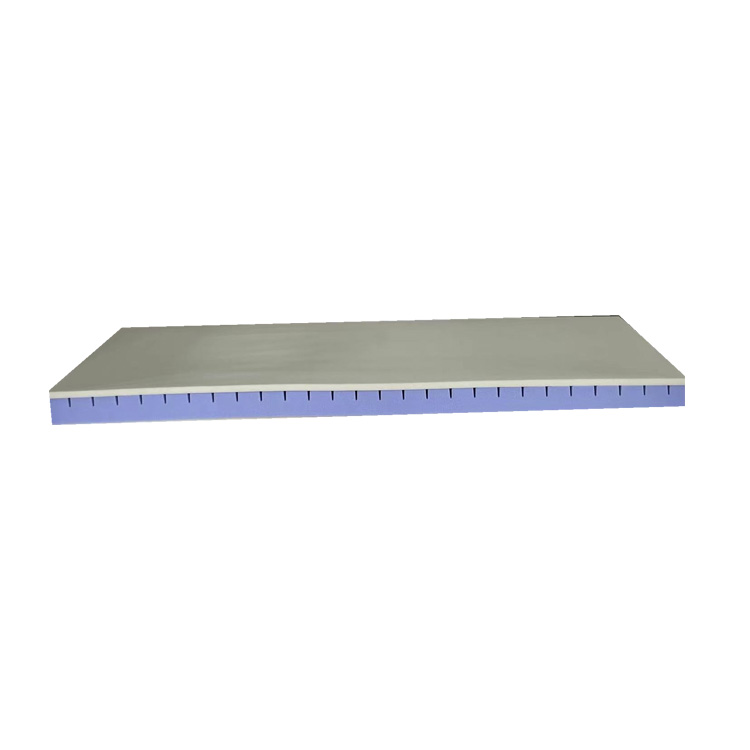
Fig 2: Detailed view of advanced medical mattress construction.
Application Scenarios & Target Industries
The versatility and advanced capabilities of the Functional Sleep Monitoring Mattress make it indispensable across a wide spectrum of healthcare environments. Its design addresses the specific demands and patient profiles characteristic of various medical settings.
Key Application Areas:
- Acute Care Hospitals (ICUs, CCUs, ERs): In critical care units, continuous, non-invasive monitoring is vital. The mattress provides real-time data on patient movement, respiration, and heart rate, aiding in early detection of clinical changes, preventing pressure injuries in immobolized patients, and reducing the burden of manual checks on nursing staff. Its ability to provide dynamic pressure relief is critical for patients undergoing prolonged procedures or experiencing compromised skin integrity.
- General Hospital Wards: For post-operative recovery, medical-surgical patients, and those with limited mobility, the mattress enhances comfort and sleep quality, which are crucial for recovery. Pressure redistribution features prevent skin breakdown in patients with extended hospital stays.
- Long-Term Care Facilities & Nursing Homes: These settings often cater to elderly patients with chronic conditions and increased vulnerability to pressure ulcers and falls. The integrated fall detection and continuous pressure monitoring features of a protective mattress are invaluable for improving safety and quality of life for residents, while also optimizing caregiver workflows.
- Rehabilitation Centers: Patients recovering from strokes, spinal cord injuries, or major surgeries require specialized support. The mattress provides consistent pressure relief and can assist in repositioning, facilitating a more comfortable and effective rehabilitation process, aligning with goals of best sleep therapy mattress.
- Home Healthcare: As healthcare shifts towards community-based models, these mattresses offer sophisticated monitoring capabilities in a home setting, providing peace of mind for patients and caregivers. Remote monitoring allows for timely intervention and reduces the need for frequent in-person visits.
- Palliative Care: Maximizing patient comfort and dignity is paramount. The advanced pressure redistribution and ergonomic design of the mattress significantly enhance comfort for patients with terminal illnesses, mitigating discomfort from prolonged immobility.
The ability of this medical mattress to adapt to diverse clinical needs underscores its value as a core component of modern patient-centric care strategies.
Key Technical Advantages
The Functional Sleep Monitoring Mattress delivers a suite of technical advantages that set it apart from conventional solutions, directly translating into superior patient outcomes and operational efficiencies for healthcare providers.
- Unparalleled Pressure Redistribution: Utilizing advanced multi-density foam layers, gel-infused zones, or intelligent air-cell technology, the mattress minimizes sustained pressure on vulnerable anatomical sites. This significantly reduces shear and friction forces, critical factors in the development of pressure injuries, demonstrating why it's a truly premium mattress.
- Real-Time Physiological Monitoring: The integrated sensor array provides continuous, passive monitoring of vital parameters like heart rate, respiration rate, and patient movement. This enables early warning of subtle physiological changes, supporting proactive clinical intervention and reducing the need for intrusive manual checks.
- Enhanced Infection Control and Hygiene: The fluid-resistant, vapor-permeable, and antimicrobial cover is designed for easy cleaning and disinfection. This robust barrier prevents microbial ingress, significantly lowering the risk of hospital-acquired infections (HAIs) and facilitating compliance with stringent infection control protocols.
- Optimal Microclimate Management: The breathable cover material and layered foam construction facilitate optimal air circulation and moisture vapor transfer, preventing moisture accumulation and maintaining a neutral skin temperature. This is crucial for preserving skin integrity and patient comfort, a hallmark of a best sleep therapy mattress.
- Durability and Longevity: Constructed with high-quality, medical-grade materials and subjected to rigorous durability testing (e.g., repeated compression cycles exceeding 100,000 counts), these mattresses offer an extended service life. This translates to a lower total cost of ownership (TCO) for healthcare facilities.
- Interoperability and Data Integration: The advanced control unit supports seamless integration with existing Electronic Health Record (EHR) systems and hospital information systems (HIS) via standard communication protocols (e.g., HL7, FHIR). This streamlines data flow, enhances clinical decision-making, and supports comprehensive patient data analysis.
- Fall Prevention Capabilities: Intelligent movement sensors can detect when a patient is attempting to exit the bed or is in an unstable position, triggering alarms to nursing stations. This proactive alert system significantly reduces the incidence of patient falls, improving safety.
These technical advantages position the Functional Sleep Monitoring Mattress as an essential asset for modern healthcare, driving improved patient care and operational excellence.
Vendor Comparison: Functional Sleep Monitoring Mattress vs. Traditional Options
Choosing the right medical mattress is a strategic decision for healthcare providers, impacting patient outcomes, staff workload, and budget. This comparison highlights the distinct advantages of a Functional Sleep Monitoring Mattress against conventional pressure-reducing mattresses.
Comparison Table: Advanced vs. Standard Medical Mattresses
The clear advantage of the Functional Sleep Monitoring Mattress lies in its comprehensive approach to patient care, combining superior pressure relief with intelligent monitoring capabilities. While the initial investment is higher, the long-term benefits in terms of patient safety, staff efficiency, and reduced complications translate into a compelling return on investment for healthcare organizations.
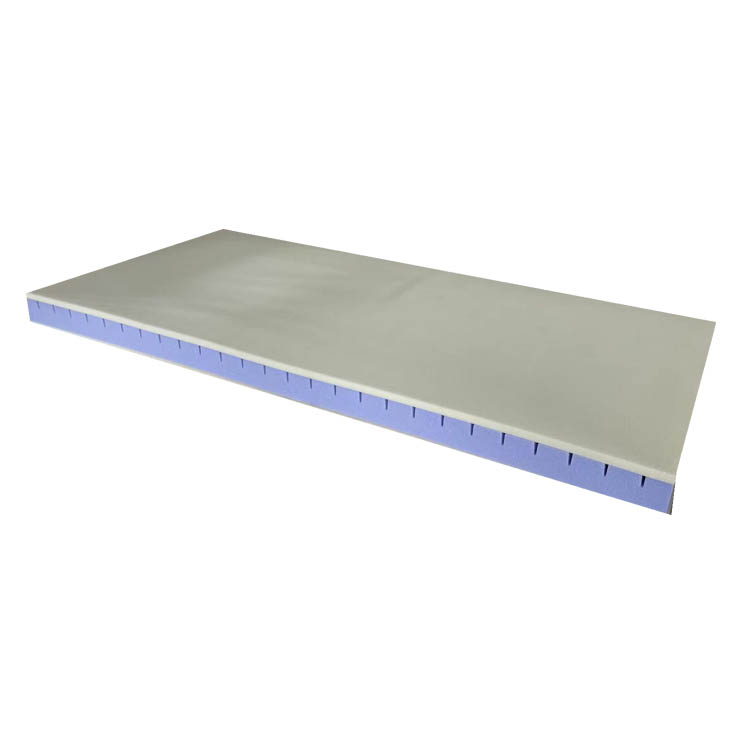
Fig 3: Close-up of medical mattress cover material for hygiene and breathability.
Customized Solutions for Diverse Healthcare Needs
Recognizing that no two patients or healthcare facilities are exactly alike, manufacturers of advanced medical mattress systems often provide extensive customization options. This flexibility ensures that the mattress perfectly aligns with specific clinical requirements, patient demographics, and existing infrastructure.
Customization Parameters Include:
- Dimensions and Bed Integration: Mattresses can be tailored to fit various bed frames, including bariatric beds, pediatric beds, and specialized adjustable beds, ensuring seamless integration and optimal functionality. This might involve custom lengths, widths, or articulation points.
- Weight Capacity: While standard models support up to 250 kg, bariatric versions are available, designed with reinforced structures and higher density foams/air cells to safely accommodate patients up to 450 kg or more.
- Material Composition: Specific foam densities, gel placements, or air-cell configurations can be adjusted to target different levels of pressure ulcer risk or to support patients with unique orthopedic requirements. For instance, a facility might request a firmer perimeter for ease of egress.
- Monitoring Modules: Depending on clinical needs, monitoring features can be scaled. Some facilities might require advanced cardiac monitoring, while others prioritize fall prevention and basic movement tracking. Customization allows for selection and integration of relevant sensor types and data outputs.
- Connectivity and Software Integration: The communication protocols and output formats can be customized to ensure seamless data flow into proprietary EHR systems, hospital dashboards, or specific telehealth platforms, minimizing IT integration challenges.
- Cover Material Options: While standard covers are highly protective, specialized requirements for extreme disinfection protocols, specific material sensitivities, or enhanced tear resistance can be accommodated through alternative fabric choices or construction methods.
- Emergency Features: Customization may include specific configurations for rapid deflate/inflate functions (e.g., for CPR), integrated battery backups for power outages, or tailored alarm settings.
This commitment to customization ensures that each healthcare provider receives a protective mattress solution that is not just a product, but a precisely engineered tool designed to meet their unique challenges and elevate their standard of care.
Application Case Studies & Customer Experience
The real-world impact of advanced medical mattress technology is best illustrated through practical application. Here are simulated case studies reflecting the transformative benefits observed by partner clients and end-users:
Case Study 1: Large Academic Medical Center (ICU Department)
Challenge: A 30-bed ICU experienced a 7% prevalence rate of hospital-acquired pressure injuries (HAPIs) among high-risk patients, leading to extended lengths of stay and increased treatment costs. Nursing staff also faced significant workload managing manual patient turns and repositioning for pressure relief.
Solution: Implementation of 30 Functional Sleep Monitoring Mattresses across the ICU. The integrated pressure mapping and automated repositioning alerts provided by the medical mattress system were integrated with the hospital's electronic health record (EHR) system.
Outcome: Within 12 months, the HAPI prevalence rate in the ICU dropped to 2%, representing a 71% reduction. Nursing staff reported a 20% decrease in time spent on manual repositioning documentation and interventions, allowing more focus on critical care. The early detection of subtle changes in patient movement and vital signs also led to a 15% reduction in unplanned transfers to higher acuity care within the ICU.
"The Functional Sleep Monitoring Mattress has been a game-changer for our ICU. Not only have we seen a dramatic reduction in pressure injuries, but our nurses can now dedicate more time to direct patient care, thanks to the intelligent monitoring and alert system." - Dr. Eleanor Vance, Head of Critical Care.
Case Study 2: Regional Long-Term Care Facility (Elderly & Dementia Patients)
Challenge: A 100-bed long-term care facility struggled with frequent patient falls, especially during nighttime hours, and a high incidence of sleep disturbances among residents with dementia. Manual checks were disruptive to patient sleep and resource-intensive for staff.
Solution: Deployment of 75 Functional Sleep Monitoring Mattresses in high-risk resident rooms. The mattresses' integrated fall detection and sleep pattern analysis features provided discreet, continuous monitoring without physical intrusion. Alerts were sent to mobile devices carried by night staff.
Outcome: Patient falls decreased by 35% within six months, significantly improving resident safety. Staff observed an improvement in overall sleep quality among residents, attributed to fewer nocturnal disturbances and optimized comfort provided by the best sleep therapy mattress. Caregiver response times to potential fall events improved by an average of 4 minutes, leading to quicker intervention.
"The ability to monitor residents without constant physical checks has been revolutionary. Our residents sleep better, and our staff feel more confident in their ability to provide prompt, dignified care. This is truly a protective mattress that lives up to its name." - Maria Rodriguez, Director of Nursing.
Case Study 3: Remote Home Healthcare Provider (Post-Surgical Monitoring)
Challenge: Monitoring post-surgical patients at home for early signs of complications, particularly pressure injury development and changes in vital signs, was logistically challenging and required frequent nurse visits.
Solution: Provision of Functional Sleep Monitoring Mattresses to 50 high-risk post-surgical patients returning home. The mattress wirelessly transmitted anonymized data to a central monitoring dashboard accessible by the healthcare team.
Outcome: The frequency of unscheduled home visits decreased by 25%, optimizing nurse resource allocation. The early detection of concerning sleep patterns or prolonged immobility via the premium mattress allowed for timely teleconsultations or targeted interventions. Patient satisfaction scores for remote monitoring services increased by 18%.
"Our patients feel more secure knowing they are continuously monitored, and we can intervene much faster. This technology has significantly improved the quality and efficiency of our home care services." - David Chen, Operations Manager, Home Health Solutions.
Ensuring Trustworthiness: FAQ, Lead Time, Warranty, & Support
Building long-term partnerships in the B2B sector requires transparency, reliability, and robust support systems. Our commitment extends beyond product delivery to comprehensive after-sales service and clear operational guidelines for our advanced medical mattress solutions.
Frequently Asked Questions (FAQ):
- Q1: How do I clean and disinfect the Functional Sleep Monitoring Mattress?
- A1: The mattress cover is designed for easy cleaning. It can be wiped down with standard hospital-grade disinfectants. Ensure the cover is intact and dry before placing a patient. Refer to the user manual for a complete list of approved cleaning agents and protocols.
- Q2: Is the mattress compatible with existing hospital bed frames and EHR systems?
- A2: Yes, our mattresses are designed to be compatible with most standard hospital bed frames. For EHR integration, our system supports common protocols like HL7 and FHIR, and our technical team provides support for seamless API integration with your specific HIS/EHR setup.
- Q3: How is patient data privacy and security handled?
- A3: Data transmission utilizes advanced encryption protocols (e.g., AES-256) and secure network configurations. Our systems are designed to comply with HIPAA, GDPR, and other relevant data protection regulations. We prioritize anonymization where possible and only transmit essential clinical data.
- Q4: What happens if there's a power outage?
- A4: The integrated monitoring system includes a robust battery backup, providing continuous operation for up to 8 hours during a power interruption. The pressure redistribution functions (if active air system) may revert to a static mode during extended outages, with clear visual and audible alerts.
Lead Time & Fulfillment Details:
- Standard Orders: For quantities up to 50 units, typical lead time is 4-6 weeks from confirmed order and deposit.
- Large Volume/Custom Orders: For orders exceeding 50 units or requiring specific customizations, lead times will be provided upon detailed consultation and order confirmation, generally ranging from 8-12 weeks.
- Shipping: We offer various shipping options, including sea freight and air freight, with global logistics partners to ensure timely and secure delivery to your facility. Installation and setup services can be arranged as part of the fulfillment package.
Warranty Commitments:
- Mattress Core: 7-year limited warranty covering manufacturing defects and structural integrity under normal use.
- Electronic Components & Control Unit: 5-year limited warranty covering defects in materials and workmanship.
- Mattress Cover: 2-year limited warranty against manufacturing defects and material integrity.
- Full warranty terms and conditions are provided with each purchase order.
Customer Support Information:
- Technical Support: Available 24/7 via dedicated hotline at +1 (XXX) XXX-XXXX or email at support@xinmattress.com for immediate assistance.
- Online Portal: Access to comprehensive user manuals, troubleshooting guides, software updates, and training videos through our secure client portal.
- On-site Training & Maintenance: We offer on-site product training for clinical staff and technical personnel upon installation, as well as scheduled preventative maintenance services to ensure optimal performance and longevity of your medical mattress investment.
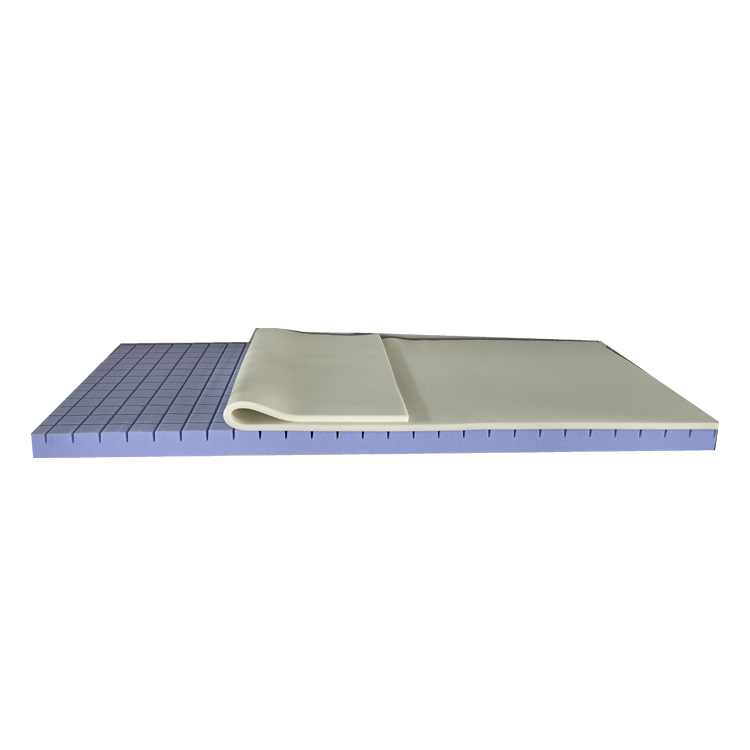
Fig 4: Example of a functional sleep monitoring mattress in a clinical setting.
Conclusion
The evolution of the medical mattress from a basic support surface to a sophisticated, intelligent therapeutic and monitoring device marks a pivotal advancement in patient care. The Functional Sleep Monitoring Mattress embodies this transformation, offering an unparalleled combination of advanced pressure redistribution, real-time physiological insights, and robust infection control capabilities. Its meticulous manufacturing, adherence to stringent international standards, and proven efficacy in diverse clinical scenarios underscore its value as an indispensable asset for modern healthcare facilities.
By integrating state-of-the-art technology with a deep understanding of patient needs and clinical workflows, this premium mattress not only enhances patient safety and comfort but also optimizes operational efficiency and contributes significantly to positive clinical outcomes. For B2B stakeholders, investing in such advanced solutions is a strategic imperative that aligns with the highest standards of care and future-proofs healthcare infrastructure against evolving challenges.
References
- National Pressure Ulcer Advisory Panel (NPUAP), European Pressure Ulcer Advisory Panel (EPUAP), and Pan Pacific Pressure Injury Alliance (PPPIA). Prevention and Treatment of Pressure Ulcers/Injuries: Clinical Practice Guideline. 3rd Edition. 2019.
- International Organization for Standardization. ISO 13485:2016 Medical devices — Quality management systems — Requirements for regulatory purposes. 2016.
- U.S. Food and Drug Administration (FDA). Medical Devices. Various guidance documents available at FDA.gov.
- European Commission. Regulation (EU) 2017/745 on medical devices. 2017.
- California Bureau of Electronic and Appliance Repair, Home Furnishings and Thermal Insulation. Technical Bulletin 117-2013, Requirements, Test Procedure and Apparatus for Testing the Smolder Resistance of Materials Used in Upholstered Furniture. 2013.
- British Standards Institution. BS 7177:2008+A1:2011 Specification for resistance to ignition of mattresses, divans and bed bases. 2011.
- ASTM International. ASTM D3574 Standard Test Methods for Flexible Cellular Materials—Slab, Bonded, and Molded Urethanes.
- ASTM International. ASTM E96/E96M Standard Test Methods for Water Vapor Transmission of Materials.
-
What Is the Pressure Redistribution Capability of Silicone Mattresses?NewsNov.17,2025
-
How Do You Clean and Disinfect a Silicone Hospital Mattress?NewsNov.17,2025
-
Sleep Monitoring Mattress CalibrationNewsSep.04,2025
-
Pressure Relieving Foam Mattress Waterproof CoversNewsSep.04,2025
-
Cool Gel Mattress Ambulance UseNewsSep.04,2025
-
Coir and Foam Mattress Minimalist LivingNewsSep.04,2025
-
Bed Mattress for Back Pain Emergency UseNewsSep.04,2025
 Afrikaans
 Albanian
 Arabic
 Armenian
 Belarusian
 Bengali
 Bulgarian
 China
China
 Czech
Czech
 Danish
 Dutch
Dutch
 Esperanto
 Finnish
 French
 German
 Greek
Greek
 Hawaiian
 Hebrew
 Hindi
Hindi
 Hungarian
 Indonesian
 Irish
Irish
 Italian
 Japanese
 Kazakh
 Rwandese
 Korean
 Lao
Lao
 Latin
Latin
 Maori
Maori
 Mongolian
 Myanmar
 Nepali
 Polish
 Portuguese
 Romanian
 Russian
 Serbian
 Slovak
 Slovenian
 Spanish
 Swedish
 Tagalog
 Tatar
Tatar
 Thai
Thai
 Turkish
 Ukrainian
 Urdu
Urdu
 Uighur
 Uzbek
Uzbek
 Vietnamese
 English