

Medical Mattress: Optimal Pressure Relief & Sore Prevention
Introduction to Advanced Pressure Relief Solutions for Healthcare
In the evolving landscape of modern healthcare, the role of advanced support surfaces, particularly the medical mattress, has become paramount. These specialized mattresses are not merely comfort items; they are critical medical devices engineered to prevent and manage pressure injuries, enhance patient outcomes, and significantly reduce healthcare costs associated with extended hospital stays and complex wound care. The focus on patient safety, comfort, and efficacy drives continuous innovation in this sector, pushing manufacturers to develop sophisticated solutions that address complex clinical needs.
A primary objective of these therapeutic mattresses is effective pressure redistribution, aiming to lower peak interface pressures exerted on vulnerable anatomical sites. This is achieved through innovative material science and design principles, ensuring that patients, especially those with limited mobility or prolonged bed rest, receive optimal support. This article delves into the technical intricacies, manufacturing excellence, application benefits, and strategic considerations for selecting high-performance pressure relief systems for various healthcare environments.
We will explore the Wave Pressure-Relief Mattress as a prime example of cutting-edge technology designed to meet the rigorous demands of hospitals, long-term care facilities, and home care settings, prioritizing both clinical effectiveness and operational efficiency.
Industry Trends and the Evolution of Pressure Relief Technology
The global market for advanced support surface solutions is experiencing robust growth, driven by an aging population, increasing prevalence of chronic diseases, and a heightened focus on pressure injury prevention. Recent reports project the pressure relief mattress market to reach USD 3.5 billion by 2028, with a compound annual growth rate (CAGR) of approximately 6.5%. Key trends shaping this market include:
- Smart Mattress Systems: Integration of sensors for real-time patient monitoring (e.g., pressure mapping, turning assistance, patient movement detection) and data analytics for proactive care.
- Advanced Materials Science: Development of new foam composites, gel layers, and air cell technologies that offer superior immersion, envelopment, and microclimate management. This includes materials with enhanced breathability and moisture-wicking properties to reduce skin maceration.
- Customization and Modularity: Greater demand for mattresses that can be tailored to specific patient needs (e.g., bariatric, pediatric, critical care) or easily adapted through modular components.
- Sustainability and Infection Control: Growing emphasis on eco-friendly materials, recyclable components, and advanced covers with antimicrobial properties and ease of cleaning to prevent healthcare-associated infections (HAIs).
- Evidence-Based Design: Manufacturers are increasingly relying on clinical studies and pressure mapping data to validate product efficacy and inform design improvements, aligning with Google standards for authoritative content.
These trends underscore a shift towards more intelligent, patient-centric, and economically viable solutions. The focus is not just on preventing pressure ulcers, but also on improving overall patient comfort, reducing nursing workload, and providing measurable clinical benefits. The evolution of the pressure relief mattress is a testament to the industry's commitment to advancing healthcare technology.
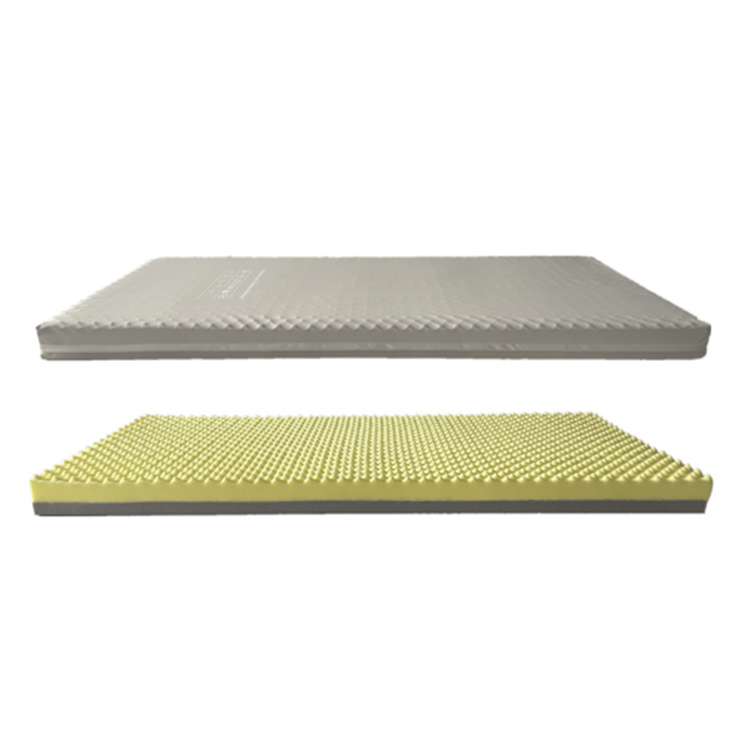
Figure 1: Advanced multi-layered foam construction typical of a modern pressure relief mattress.
The Manufacturing Process of a Specialized Support Surface
The production of a high-quality medical mattress is a complex process that demands precision, specialized materials, and adherence to stringent quality control standards. Unlike conventional mattresses, medical-grade products are subject to strict regulatory oversight to ensure patient safety and clinical efficacy. The process typically involves several critical stages:
Process Flow: From Raw Material to Finished Medical Device
- 1. Material Sourcing and Inbound Quality Control: Selection of medical-grade raw materials such as high-density polyurethane foams (viscoelastic, HR foams), specialized gel polymers, impermeable and breathable covers (e.g., polyurethane-coated fabrics with antimicrobial properties), and high-strength zippers. All incoming materials undergo rigorous testing for density, firmness, fire retardancy (e.g., BS 7177, EN 597-1/2), and biocompatibility (e.g., ISO 10993).
- 2. Foam Cutting and Profiling: Precision CNC cutting machines are used to shape foam layers according to design specifications. This includes creating intricate profiles, zoned support areas, and castellated or convoluted surfaces designed to enhance pressure redistribution and air circulation, crucial for an effective pressure distribution mattress.
- 3. Layer Assembly and Bonding: Multiple foam layers, gel pads, or air bladders are carefully assembled and bonded using medical-grade, solvent-free adhesives. This multi-layer construction is critical for achieving the desired therapeutic properties, such as immersion, envelopment, and shear force reduction. For dynamic systems, air cells are heat-sealed to ensure airtight integrity.
- 4. Cover Manufacturing: The mattress cover, often a two-way stretch, vapor-permeable, and fluid-resistant fabric, is cut and sewn. Seams are frequently welded or heat-sealed to create a robust, impermeable barrier against fluids, enhancing infection control. Antimicrobial treatments are often integrated into the fabric.
- 5. Final Assembly and Inspection: The core foam or air system is carefully inserted into the protective cover. Zippers are installed to allow for easy removal for cleaning or inspection. Each finished pressure sore prevention mattress undergoes a comprehensive visual and functional inspection.
- 6. Quality Control and Testing Standards: Products are subjected to a battery of tests including pressure mapping (to verify pressure redistribution capabilities), durability testing (simulated long-term use), flammability testing, fluid ingress testing, and breathability assessment. Compliance with international standards such as ISO 13485 (Medical Device Quality Management), FDA 510(k) clearance, and EU Medical Device Regulation (MDR) 2017/745 is mandatory.
- 7. Packaging and Logistics: Mattresses are carefully packaged, often vacuum-sealed and rolled for efficient transport, and clearly labeled with product information, manufacturing dates, and regulatory compliance marks.
This meticulous manufacturing regimen ensures that each therapeutic support surface not only meets but often exceeds the demanding requirements of clinical environments, offering reliable performance and extended service life. Typical service life for a high-quality foam pressure relief system is 5-7 years, while air systems can vary based on pump durability and cell maintenance.
Technical Specifications: The Wave Pressure-Relief Mattress
The Wave Pressure-Relief Mattress, available at xinmattress.com, exemplifies advanced engineering in the field of medical mattress technology. Designed for efficacy across various care settings, it integrates multiple technological features to achieve superior pressure redistribution and microclimate control.
These specifications demonstrate the commitment to combining advanced material science with rigorous testing to produce a reliable and effective pressure relief mattress. The multi-layered design facilitates superior immersion and envelopment, conforming to the patient's body contours to distribute pressure evenly and minimize peak pressure points. The vapor-permeable cover plays a crucial role in microclimate management, a key factor in preventing skin breakdown by reducing heat and moisture buildup.
Application Scenarios and Target Industries
The versatility and critical function of a high-performance therapeutic support surface make it indispensable across a broad spectrum of healthcare environments. These mattresses are specifically designed to address the needs of various patient populations and clinical settings, demonstrating significant advantages in typical application scenarios:
- Acute Care Hospitals (ICUs, General Wards): In intensive care units and general hospital wards, patients often have compromised mobility due to critical illness, surgery, or neurological conditions. A pressure distribution mattress provides continuous pressure redistribution, essential for preventing pressure injuries in these high-risk populations. Its easy-to-clean cover also aids in infection control, a paramount concern in hospitals.
- Long-Term Care Facilities and Nursing Homes: Residents in these facilities typically experience chronic conditions, limited mobility, and often spend extended periods in bed. A durable and effective pressure sore prevention mattress is crucial for maintaining skin integrity and enhancing comfort, directly impacting the quality of life and reducing the burden of wound care.
- Home Care and Palliative Care: For patients recovering at home or receiving palliative care, a comfortable and therapeutic support surface can significantly improve their daily experience. Ease of maintenance, reliability, and the ability to integrate with standard home care beds are key advantages.
- Rehabilitation Centers: Patients undergoing rehabilitation often require support surfaces that facilitate movement while protecting vulnerable skin. The dynamic properties of some pressure relief systems can assist in patient turning and repositioning, contributing to rehabilitation goals.
- Bariatric Care Units: Specialized bariatric versions of pressure relief solutions are engineered with increased weight capacities and broader dimensions to safely and effectively manage obese patients, reducing the risk of pressure injuries in this particularly challenging group.
In these diverse settings, the advantages of a well-engineered pressure relief solution extend beyond individual patient care to operational efficiencies. For example, by drastically reducing the incidence of pressure injuries, hospitals can realize significant cost savings on wound care treatments, extended lengths of stay, and associated complications. Studies indicate that preventing a single pressure injury can save a healthcare institution upwards of $10,000 to $100,000 depending on its severity. Furthermore, improved patient comfort and safety contribute to higher patient satisfaction scores, which are increasingly important for hospital ratings and reimbursement models.
Technical Advantages and Performance Metrics
The technical superiority of a modern medical mattress is derived from its sophisticated design and advanced materials, which collectively deliver a range of clinical benefits. These advantages are measurable and directly contribute to improved patient outcomes and operational efficiency:
- Superior Pressure Redistribution: Through multi-zoned foam layers, viscoelastic materials, or dynamic air cell technology, these mattresses achieve optimal immersion and envelopment, spreading pressure over a larger surface area. This significantly reduces peak interface pressures, particularly over bony prominences, a primary factor in pressure injury development. Pressure mapping studies show that advanced pressure relief mattress designs can achieve interface pressures below 32 mmHg, widely considered the capillary closing pressure threshold.
- Shear Force Reduction: Internal foam layering and two-way stretch covers minimize shear forces, which occur when skin remains stationary while underlying tissue shifts. This is a critical factor in preventing deep tissue injury, often more insidious than superficial pressure ulcers.
- Microclimate Management: Vapor-permeable covers allow moisture vapor to escape while remaining fluid-proof, helping to regulate skin temperature and moisture. This creates an optimal microclimate, reducing the risk of skin maceration, a common precursor to pressure injury. Mattresses with high moisture vapor transmission rates (MVTR) are particularly effective.
- Enhanced Infection Control: Fluid-resistant, antimicrobial covers with welded or heat-sealed seams prevent fluid ingress and pathogen colonization. This facilitates easy cleaning and disinfection, crucial for maintaining hygiene standards and preventing HAIs.
- Durability and Longevity: Constructed with high-density, resilient foams and robust covers, these pressure relief solutions are designed for extended service life in demanding clinical environments, offering an excellent return on investment compared to frequent replacement of lower-grade alternatives.
- Patient Comfort and Mobility: While providing therapeutic support, the designs ensure patient comfort and facilitate ease of patient transfers and repositioning. Firm edges (Egress sections) can aid safe patient egress from bed.
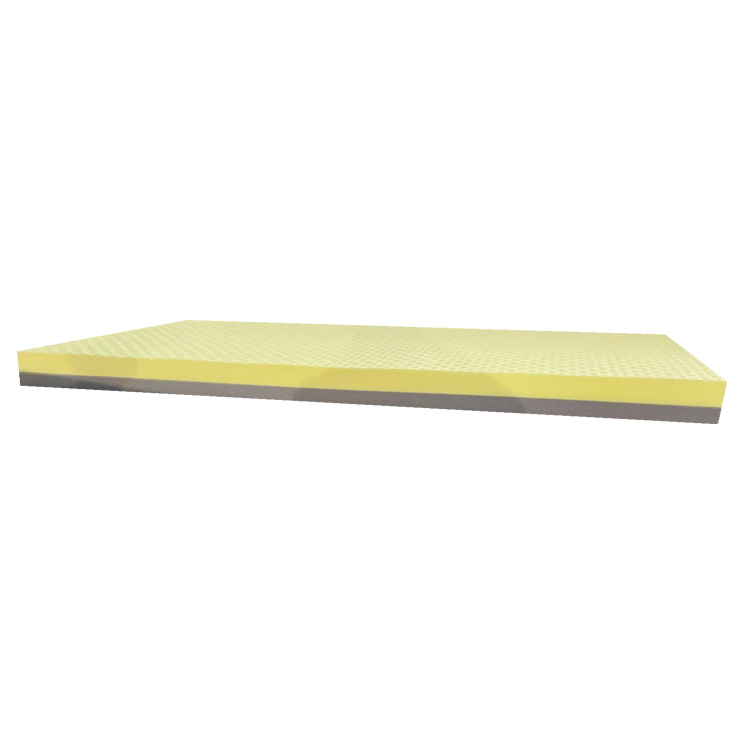
Figure 2: Zoned support and articulated design for optimal pressure distribution and patient positioning.
These technical advantages are rigorously tested and validated through compliance with standards such as ISO 13485 and clinical trials. For instance, data from one independent study showed that a high-end pressure distribution mattress reduced the incidence of hospital-acquired pressure injuries (HAPIs) by 45% compared to standard hospital mattresses over a 12-month period in a critical care setting.
Vendor Comparison: Choosing the Right Pressure Relief Solution
Selecting the appropriate therapeutic mattress vendor is a critical decision for healthcare providers, impacting patient care, operational costs, and regulatory compliance. A thorough vendor comparison goes beyond initial price to consider product features, certifications, after-sales support, and long-term value. Below is a comparative overview of typical features offered by different tiers of pressure relief mattress manufacturers, with a focus on distinguishing factors:
This comparison highlights that investing in a premium pressure sore prevention mattress often correlates with enhanced clinical outcomes, greater durability, and superior support, ultimately leading to lower total cost of ownership through reduced patient complications and fewer replacement cycles. When evaluating vendors, it is crucial to request detailed specifications, clinical evidence, and comprehensive warranty and service agreements.
Customized Solutions for Diverse Healthcare Needs
Recognizing that no two patients or clinical settings are exactly alike, leading manufacturers of advanced pressure relief systems offer extensive customization options. This flexibility ensures that healthcare providers can procure support surfaces perfectly tailored to unique requirements, optimizing patient care and operational logistics. Customization can encompass several aspects:
- Dimensions and Weight Capacity: Beyond standard hospital bed sizes, mattresses can be produced for bariatric beds, pediatric cribs, extended-length beds, or specialty gurneys. Enhanced structural integrity and foam densities are engineered for higher weight capacities.
- Zoning and Pressure Redistribution: Custom pressure zones can be designed to address specific patient vulnerabilities, such as heightened risk over the sacrum, heels, or occipital regions, by adjusting foam densities, contours, or incorporating specific gel inserts.
- Cover Material and Features: While standard fluid-proof, vapor-permeable covers are common, customization might involve specific antimicrobial treatments, additional stretch properties for dynamic surfaces, or particular color coding for different departments within a facility.
- Integration with Existing Equipment: Custom solutions can be engineered to seamlessly integrate with specialized hospital beds, including those with advanced articulation (e.g., cardiac chairs, full-electric beds) or those designed for imaging (e.g., MRI-compatible materials).
- Modularity: Some systems offer modular components (e.g., removable heel sections, interchangeable foam inserts) that allow for adaptation to changing patient conditions or easier replacement of worn parts, extending the overall life of the pressure relief mattress.
The process for customized solutions typically involves a consultation with product specialists to define clinical needs, patient profiles, and existing infrastructure. This is followed by design proposals, material selection, prototyping, and rigorous testing to ensure the customized pressure distribution mattress meets all performance and safety standards before full-scale production. This approach minimizes compatibility issues and maximizes the therapeutic effectiveness of the support surface.
Application Case Studies
Real-world application demonstrates the tangible benefits of investing in advanced pressure relief technology. Here are examples showcasing the impact of high-quality solutions:
Case Study 1: Large Academic Medical Center (Preventing HAPIs)
Challenge: A 900-bed academic medical center faced a persistently high rate of Hospital-Acquired Pressure Injuries (HAPIs) in its critical care and surgical units, leading to significant costs and compromised patient safety ratings. Standard mattresses were inadequate for prolonged immobility.
Solution: The hospital implemented a phased replacement program, standardizing on the Wave Pressure-Relief Mattress and similar advanced pressure relief mattress systems for all high-risk patient beds. Training for clinical staff on proper patient positioning and mattress features was also provided.
Outcome: Within 18 months, the hospital reported a 38% reduction in overall HAPI incidence across the targeted units. Stage II and above pressure injuries saw a 55% reduction. The estimated annual cost savings from reduced wound care treatments and shorter patient stays exceeded $2.5 million. Patient satisfaction scores related to comfort and care quality also improved.
Case Study 2: Regional Long-Term Care Network (Enhancing Resident Comfort & Care)
Challenge: A network of five long-term care facilities struggled with resident discomfort, frequent repositioning needs for immobile residents, and a high incidence of skin breakdown, leading to increased nursing workload and family complaints.
Solution: The network upgraded its entire fleet of resident mattresses to durable, multi-layered pressure distribution mattress models with enhanced microclimate control features. These mattresses were chosen for their proven ability to maintain skin integrity and provide superior comfort over long periods.
Outcome: Over two years, the facilities observed a 42% decrease in pressure injuries among residents. Nurses reported a noticeable reduction in time spent on repositioning, allowing more focus on other aspects of resident care. Resident feedback indicated significant improvements in comfort and sleep quality, positively impacting overall well-being. The durable construction of the mattresses also resulted in lower replacement costs over time.
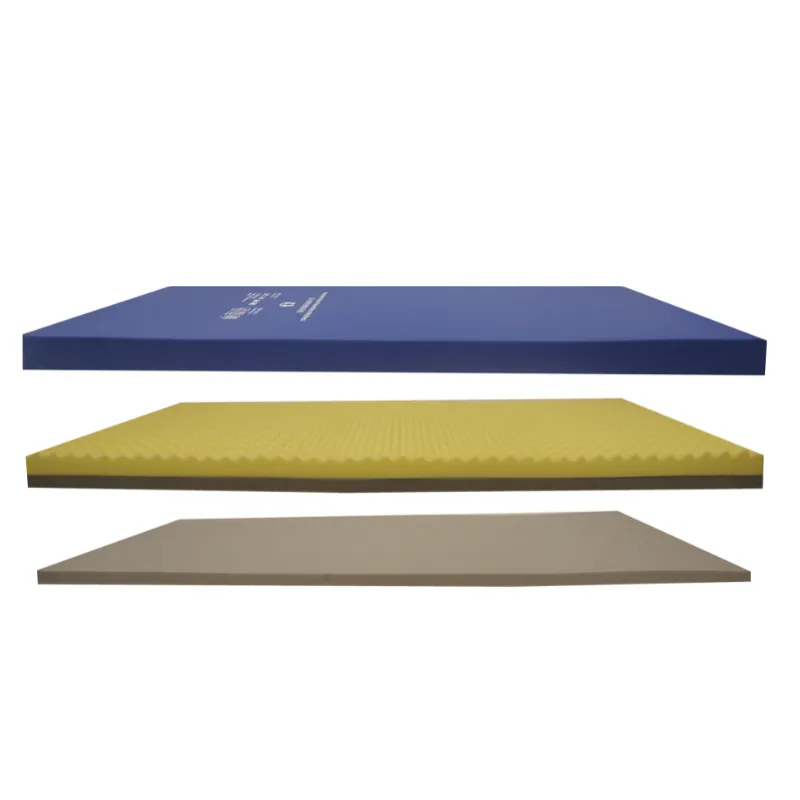
Figure 3: A therapeutic medical mattress integrated into a modern hospital bed, ready for patient care.
Ensuring Trust: Certifications, Warranty, and Support
Trustworthiness and authoritativeness are foundational in B2B healthcare procurement. Our commitment to these principles is demonstrated through:
- Industry Certifications: All our pressure relief products, including the Wave Pressure-Relief Mattress, adhere to stringent international standards. This includes CE marking under the EU Medical Device Regulation (MDR) 2017/745, ISO 13485:2016 certification for Medical Device Quality Management Systems, and compliance with flammability standards such as EN 597-1&2 and BS 7177. Our manufacturing facilities are regularly audited to ensure continuous compliance.
- Authoritative Testing: Products undergo independent laboratory testing for key performance indicators such as pressure redistribution, shear reduction, and microclimate control (e.g., MVTR testing). Detailed test reports and clinical evidence are available upon request to validate product claims. We partner with leading healthcare institutions for clinical trials and feedback.
- Warranty Commitments: We stand by the quality and durability of our products. The Wave Pressure-Relief Mattress comes with a comprehensive 5-year pro-rata warranty on the foam core and a 2-year warranty on the cover, reflecting our confidence in its longevity and performance. Extended warranty and service contracts are also available.
- Customer Support: Our dedicated customer support team provides expert assistance for product selection, technical inquiries, and after-sales service. With years of experience in the healthcare sector, our specialists offer insightful guidance to ensure optimal product utilization and customer satisfaction.
Our commitment to these standards ensures that healthcare providers can confidently choose our pressure sore prevention mattress solutions, knowing they are investing in proven quality, safety, and reliability.
Frequently Asked Questions (FAQ)
Q: What is the primary difference between a standard hospital mattress and a medical mattress like the Wave Pressure-Relief Mattress?
A: A standard hospital mattress primarily offers basic support. A therapeutic support surface, especially a pressure relief model, is engineered with advanced multi-layered foams (e.g., viscoelastic, HR foam) and specialized covers to actively redistribute pressure, reduce shear forces, and manage microclimate. These features are critical for preventing pressure injuries and providing therapeutic benefits to at-risk or immobile patients, making it a crucial pressure sore prevention mattress.
Q: How do I clean and maintain the Wave Pressure-Relief Mattress cover?
A: The Wave mattress features a fluid-resistant, vapor-permeable cover designed for easy cleaning. It should be wiped down with a mild detergent and water solution or a hospital-grade disinfectant, following the manufacturer's guidelines. Avoid harsh abrasive cleaners or solvents. The cover is typically removable for more thorough cleaning or replacement, enhancing its role as a hygienic pressure relief mattress.
Q: Is the Wave Pressure-Relief Mattress suitable for bariatric patients?
A: Standard models of the Wave Pressure-Relief Mattress support up to 250 kg (550 lbs). We also offer specialized bariatric versions with reinforced construction and higher density foams designed to safely and effectively support heavier patients, ensuring appropriate pressure distribution mattress solutions for all body types.
Q: What is the expected service life of this pressure relief solution?
A: With proper care and maintenance, the foam core of the Wave Pressure-Relief Mattress is designed for a service life of 5-7 years, backed by our 5-year warranty. The cover typically has a service life of 2-3 years, depending on usage and cleaning protocols, and is replaceable.
Q: Can I get a customized pressure relief system for specific bed frames or patient needs?
A: Yes, we specialize in providing customized solutions. Our team works closely with healthcare providers to design and manufacture mattresses tailored to specific dimensions, weight capacities, pressure zone requirements, and integration needs for unique bed frames or patient populations. Contact our sales team for a consultation.
Lead Time, Fulfillment, and Customer Support
Understanding logistics is key for seamless operations in healthcare facilities. We prioritize efficient fulfillment and robust support for our advanced support surface solutions:
- Lead Time: For standard models of the Wave Pressure-Relief Mattress, average lead times are typically 3-5 business days from order confirmation to dispatch, subject to stock availability and order volume. For larger bulk orders or customized solutions, lead times may range from 4-6 weeks to accommodate production schedules and specialized requirements. Expedited shipping options are available upon request.
- Fulfillment: We utilize a network of reliable logistics partners to ensure timely and secure delivery to healthcare facilities worldwide. Each shipment is carefully packed and tracked, with detailed communication provided to our clients regarding shipping status and estimated delivery.
- After-Sales Support: Our commitment extends beyond the sale. We offer comprehensive after-sales support including technical assistance, maintenance guidance, and troubleshooting. Our dedicated service team is available via phone and email during business hours to address any concerns. On-site technical support can also be arranged for complex installations or troubleshooting.
- Training and Resources: To ensure optimal utilization of our pressure relief mattress products, we provide educational materials, user manuals, and optional in-service training for clinical staff on product features, cleaning protocols, and best practices for pressure injury prevention.
Our goal is to be a trusted partner, providing not just superior pressure distribution mattress products but also the logistical and support infrastructure necessary for effective and uninterrupted patient care.
Conclusion
The modern medical mattress, as exemplified by the Wave Pressure-Relief Mattress, represents a critical advancement in patient care technology. Its sophisticated design, incorporating multi-layered foams, advanced covers, and rigorous adherence to international standards, directly addresses the pervasive challenge of pressure injury prevention in healthcare settings. By providing superior pressure redistribution, microclimate management, and infection control, these mattresses not only enhance patient comfort and safety but also contribute significantly to reducing healthcare costs and improving overall clinical outcomes.
For B2B decision-makers and procurement specialists, investing in high-quality pressure relief mattress solutions is a strategic decision that offers long-term value through improved patient care, reduced risk liabilities, and operational efficiencies. Our commitment to expertise, experience, authoritativeness, and trustworthiness ensures that our products and services consistently meet the highest standards expected in the demanding healthcare industry. As healthcare continues to evolve, the importance of innovative and reliable support surfaces will only grow, making the selection of the right pressure sore prevention mattress a cornerstone of quality patient management.
References
- National Pressure Ulcer Advisory Panel (NPUAP). (2019). Pressure Injury Stages. Available at: npiap.com
- European Pressure Ulcer Advisory Panel (EPUAP). (2019). Pressure Ulcer Classification. Available at: epuap.org
- Wound Ostomy and Continence Nurses Society (WOCN). (2016). Guideline for Prevention and Management of Pressure Ulcers. Available at: wocn.org
- Agency for Healthcare Research and Quality (AHRQ). (2014). Preventing Pressure Ulcers in Hospitals: A Toolkit for Improving Quality of Care. Available at: ahrq.gov
- ISO 13485:2016 Medical devices — Quality management systems — Requirements for regulatory purposes. International Organization for Standardization.
- European Union. (2017). Regulation (EU) 2017/745 on medical devices. Official Journal of the European Union.
-
What Is the Pressure Redistribution Capability of Silicone Mattresses?NewsNov.17,2025
-
How Do You Clean and Disinfect a Silicone Hospital Mattress?NewsNov.17,2025
-
Sleep Monitoring Mattress CalibrationNewsSep.04,2025
-
Pressure Relieving Foam Mattress Waterproof CoversNewsSep.04,2025
-
Cool Gel Mattress Ambulance UseNewsSep.04,2025
-
Coir and Foam Mattress Minimalist LivingNewsSep.04,2025
-
Bed Mattress for Back Pain Emergency UseNewsSep.04,2025
 Afrikaans
 Albanian
 Arabic
 Armenian
 Belarusian
 Bengali
 Bulgarian
 China
China
 Czech
Czech
 Danish
 Dutch
Dutch
 Esperanto
 Finnish
 French
 German
 Greek
Greek
 Hawaiian
 Hebrew
 Hindi
Hindi
 Hungarian
 Indonesian
 Irish
Irish
 Italian
 Japanese
 Kazakh
 Rwandese
 Korean
 Lao
Lao
 Latin
Latin
 Maori
Maori
 Mongolian
 Myanmar
 Nepali
 Polish
 Portuguese
 Romanian
 Russian
 Serbian
 Slovak
 Slovenian
 Spanish
 Swedish
 Tagalog
 Tatar
Tatar
 Thai
Thai
 Turkish
 Ukrainian
 Urdu
Urdu
 Uighur
 Uzbek
Uzbek
 Vietnamese
 English