

Medical Mattress: Premium Protection for Best Sleep Therapy
The Evolution and Critical Role of Advanced Medical Mattresses in Healthcare
In the demanding landscape of modern healthcare, the selection of patient support surfaces transcends mere comfort, directly impacting patient outcomes, operational efficiency, and overall care quality. Advanced medical mattress solutions are no longer just a component of basic bedding; they are sophisticated medical devices engineered to mitigate critical risks such as pressure ulcers, facilitate patient recovery, and enhance therapeutic interventions. This comprehensive overview delves into the intricate world of medical support surfaces, highlighting their technological advancements, diverse applications, and profound impact on patient well-being and healthcare economics.
The continuous innovation in materials science, biomechanics, and integrated sensor technologies has propelled these mattresses from simple pressure-relieving pads to intelligent systems that actively monitor, adjust, and provide crucial data for personalized patient care. For B2B decision-makers, understanding the nuances of these products is paramount to making informed procurement choices that align with clinical objectives, regulatory compliance, and long-term investment value.
Current Industry Trends in Medical Mattress Technology
The medical mattress industry is undergoing significant transformation, driven by an increasing focus on preventative care, digital integration, and sustainable practices. Key trends include:
- Smart Mattresses and IoT Integration: The integration of Internet of Things (IoT) sensors is revolutionizing patient monitoring. These smart mattresses can track vital signs, patient movement, sleep patterns, and even early indicators of pressure ulcer formation. This data is wirelessly transmitted to healthcare providers, enabling proactive interventions and remote patient management, particularly beneficial for home care and long-term facilities.
- Advanced Material Science: Innovations in material composition are leading to more effective and durable solutions. This includes multi-layered foams with varying densities, viscoelastic (memory) foams with enhanced heat dissipation, advanced gel-infused layers, and sophisticated alternating air pressure systems. These materials are engineered to optimize pressure redistribution, shear reduction, and microclimate control.
- Personalized and Adaptive Support: Next-generation medical mattresses are designed to adapt dynamically to individual patient needs. Features like automatic weight and position sensing, coupled with algorithms that adjust firmness or air cell inflation, ensure continuous optimal support. This customization is crucial for complex cases and diverse patient populations.
- Infection Control and Hygiene: With heightened awareness of healthcare-associated infections (HAIs), manufacturers are prioritizing antimicrobial covers, seamless designs for easier cleaning, and materials that can withstand rigorous disinfection protocols. The emphasis is on creating surfaces that are both comfortable and highly hygienic.
- Sustainability and Lifecycle Management: There's a growing demand for eco-friendly manufacturing processes, recyclable materials, and products with extended service lives. Manufacturers are exploring modular designs that allow for component replacement rather than full unit disposal, aligning with corporate social responsibility goals and reducing environmental impact.
These trends collectively point towards a future where the medical mattress is an active, intelligent partner in patient care, contributing significantly to both clinical outcomes and operational efficiencies across various healthcare settings.
Manufacturing Process and Technical Specifications of Advanced Medical Mattresses
The production of a high-quality medical mattress involves a meticulous process, integrating advanced materials with precision manufacturing techniques to meet stringent regulatory and performance standards.
Process Flow: From Raw Material to Finished Product
High-density polyurethane foams, viscoelastic foams, biocompatible TPU films (for air cells), anti-microbial fabrics (e.g., woven polyester with polyurethane coating), sensor arrays, and control unit components are rigorously inspected for quality and certification (e.g., ISO 10993 for biocompatibility).
- Foam Cores: CNC cutting for precise shaping and layering.
- Air Cells: High-frequency welding of TPU sheets for robust, leak-proof air bladders.
- Covers: Precision cutting and sewing of medical-grade, fluid-resistant, breathable, and antimicrobial fabrics.
Pressure sensors, temperature sensors, and movement sensors are carefully embedded within foam layers or integrated into air cell structures. Wiring and communication modules are then connected to the central control unit, often employing lean manufacturing principles for efficiency.
Foam layers, air bladders, and sensor grids are meticulously assembled, often using medical-grade adhesives or specialized bonding techniques, ensuring structural integrity and consistent performance.
The assembled core is enclosed within its outer protective cover, which is often zippered for easy removal for cleaning, while maintaining a fluid-proof barrier.
Each medical mattress undergoes comprehensive testing, including pressure mapping, inflation/deflation cycle tests for alternating air systems, sensor calibration, load bearing capacity, durability tests (e.g., ISO 3385), and flammability compliance (e.g., EN 597-1/2). Compliance with ISO 13485 for medical device quality management is paramount.
Product Specifications: Functional Sleep Monitoring Mattress
| Parameter | Specification | Benefit / Purpose |
|---|---|---|
| Dimensions | Standard (e.g., 80"L x 36"W x 8"H) with custom options | Compatibility with various hospital beds; tailored fit for specific needs. |
| Mattress Type | Hybrid Alternating Air & Foam (e.g., 3-layer foam base with 18 individual air cells) | Optimal pressure redistribution for high-risk patients; responsive support. |
| Weight Capacity | Up to 500 lbs (227 kg) | Accommodates bariatric patients, ensuring safety and efficacy. |
| Cover Material | Fluid-resistant, vapor-permeable, anti-microbial stretch fabric (e.g., PU-coated woven polyester) | Prevents fluid ingress, promotes skin breathability, inhibits bacterial growth, reduces shear. |
| Integrated Sensors | Pressure mapping, patient movement, respiratory rate, heart rate variability | Real-time patient monitoring for proactive care, sleep quality assessment. |
| Control Unit | Microprocessor-controlled pump with customizable cycle times, static mode, alarm functions | Precise pressure adjustments, silent operation, user-friendly interface for caregivers. |
| Certification Standards | ISO 13485, CE Medical Device Class IIa, FDA 510(k), EN 597-1/2 (Flammability), ISO 10993 (Biocompatibility) | Ensures compliance with global medical device regulations and safety standards. |
| Service Life | Mattress Core: 7-10 years; Control Unit: 5-7 years; Replaceable Cover: 2-3 years | Long-term reliability, reduced replacement costs, sustainable maintenance. |
Target Industries: These advanced protective mattresses are indispensable across a spectrum of healthcare environments, including acute care hospitals, intensive care units (ICUs), long-term care facilities, rehabilitation centers, home care agencies, and specialized clinics focusing on wound care or palliative care.
Advantages in Typical Application Scenarios: In an ICU setting, for instance, the continuous pressure monitoring and alternating pressure capabilities minimize the risk of pressure injury development in critically ill, immobile patients, thereby reducing treatment costs and improving patient comfort. The durable, easily cleaned cover materials contribute to superior infection control, vital in preventing HAIs. For home care, the remote monitoring features of a sleep monitoring medical mattress enable caregivers to track patient well-being without constant physical presence, offering peace of mind and efficient resource allocation.
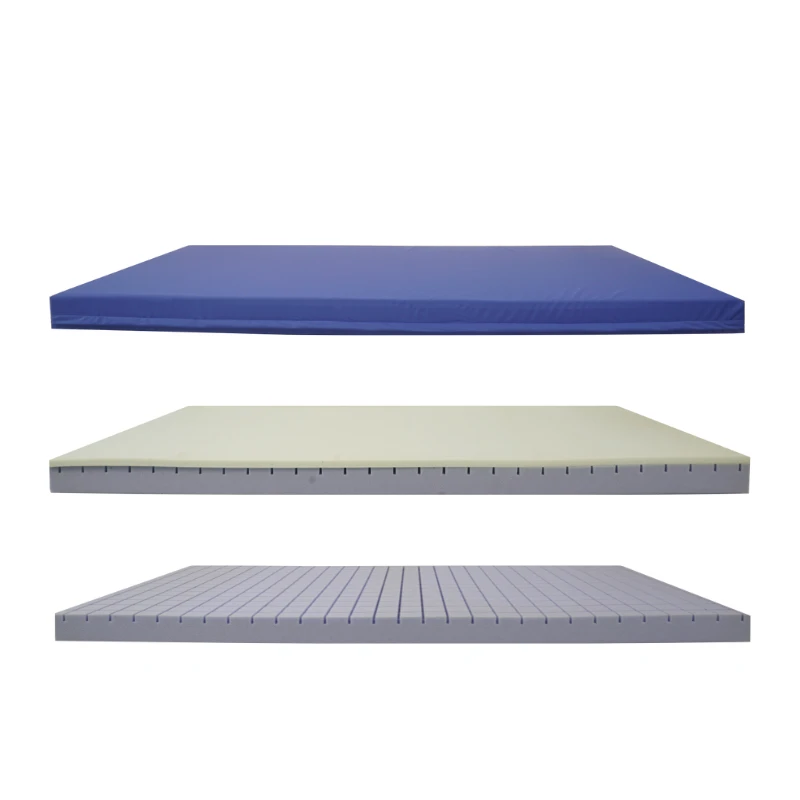
Illustration of a multi-layer advanced medical mattress structure with integrated sensors.
Application Scenarios and Technical Advantages
The versatility and sophisticated engineering of modern medical mattresses allow for their effective deployment across a wide range of clinical environments, each benefiting from specific technical advantages.
Key Application Scenarios:
- Acute Care Hospitals: For post-surgical patients, those with limited mobility, or individuals in critical care, a medical mattress with dynamic pressure redistribution and continuous monitoring capabilities is essential for preventing pressure ulcers and improving patient comfort during extended stays.
- Long-Term Care Facilities: Residents often have chronic conditions, require extended bed rest, and are at high risk for skin breakdown. Advanced protective mattresses provide consistent pressure relief, microclimate management, and promote independence through features like bed exit alarms.
- Home Healthcare: For patients recovering from illness or managing chronic conditions at home, user-friendly, reliable mattresses that offer professional-grade pressure relief and monitoring can significantly enhance the quality of life and reduce the burden on home caregivers. The `best sleep therapy mattress` can dramatically improve recovery.
- Rehabilitation Centers: Patients undergoing rehabilitation often have varying levels of mobility and need surfaces that support healing and facilitate movement. Low air loss systems and customizable firmness settings aid in patient repositioning and prevent complications during therapy.
- Palliative Care: Ensuring maximum comfort and dignity for patients nearing end-of-life is paramount. Ultra-soft, conforming surfaces with gentle alternating pressure can provide significant pain relief and comfort.
Technical Advantages that Drive Superior Patient Outcomes:
- Superior Pressure Redistribution: Through advanced foam formulations (e.g., visco-elastic, high-resiliency) and dynamic air cell systems, these mattresses effectively dissipate pressure across a larger surface area, preventing localized tissue ischemia and subsequent pressure injury development. This proactive approach significantly reduces healthcare costs associated with wound care.
- Microclimate Management: Breathable top covers and low air loss features facilitate airflow, reducing heat and moisture buildup. This is critical in maintaining skin integrity, as excessive moisture is a major contributing factor to skin breakdown.
- Enhanced Infection Control: Seamless, fluid-proof, and antimicrobial covers, combined with easy-to-clean designs, minimize reservoirs for pathogens. This directly supports hospital infection control protocols and reduces the risk of healthcare-associated infections.
- Integrated Patient Monitoring (Smart Features): Beyond pressure relief, functional sleep monitoring mattresses offer real-time data on patient position, movement, sleep quality, and even early physiological indicators. This data empowers caregivers with actionable insights, allowing for timely interventions and personalized care plans.
- Durability and Longevity: Constructed from high-quality, medical-grade materials and subjected to rigorous testing, these mattresses are built for continuous, heavy-duty use in demanding environments. This translates to a lower total cost of ownership (TCO) for healthcare facilities, as they require less frequent replacement and maintenance. A true premium mattress.
- Patient Comfort and Psychological Well-being: While highly technical, the fundamental goal remains patient comfort. Optimal support, reduced pain points, and a quiet, adaptive sleep environment contribute significantly to patient recovery, sleep quality, and overall psychological well-being.
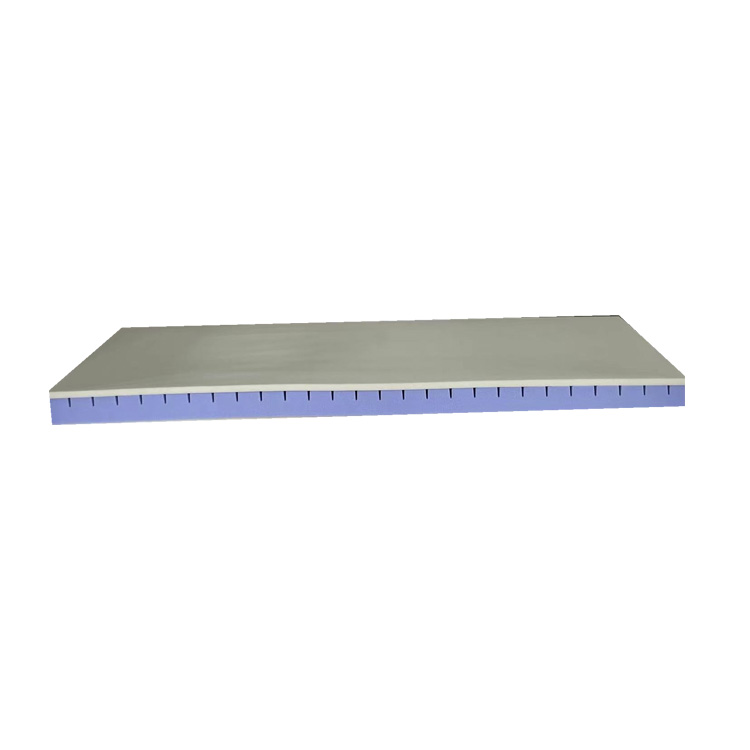
Advanced pressure mapping technology visualizing distribution on a medical mattress.
These technical advantages position the advanced medical mattress as a critical investment for any healthcare institution committed to delivering superior patient care and operational excellence.
Vendor Comparison and Customized Solutions
Selecting the right vendor for advanced medical mattresses involves a comprehensive evaluation of product features, technological innovation, customer support, and the ability to provide tailored solutions. While specific vendor names are not provided, an outline for comparison focuses on key differentiators.
Key Factors for Vendor Comparison:
- Technological Leadership: Assess the vendor's commitment to R&D, patent portfolio, and the integration of cutting-edge features like AI-driven monitoring, advanced sensor arrays, and intuitive user interfaces for their medical mattress offerings.
- Certifications & Compliance: Verify adherence to international standards (e.g., ISO 13485, CE, FDA), flammability ratings, and biocompatibility, ensuring products meet stringent safety and efficacy requirements.
- Product Range & Specialization: Does the vendor offer a diverse portfolio, from basic pressure-relieving foams to complex alternating air systems, including specialized bariatric or pediatric models?
- After-Sales Support & Training: Evaluate the availability of comprehensive training for staff, technical support, maintenance services, and spare parts. A robust support system minimizes downtime and extends product lifespan.
- Customization Capabilities: The ability to tailor mattress dimensions, pressure settings, cover materials, or integrated monitoring features to specific facility requirements or patient populations is a significant advantage.
- Total Cost of Ownership (TCO): Beyond the initial purchase price, consider the durability, energy consumption (for powered systems), maintenance requirements, and potential for reducing pressure ulcer treatment costs.
Product Comparison: Types of Advanced Medical Mattresses
| Mattress Type | Mechanism | Ideal Patient Risk Level | Key Features / Advantages |
|---|---|---|---|
| Static Foam Mattress | Multiple layers of foam (e.g., high-density, memory foam) for immersion and envelopment. | Low to Medium Risk | Cost-effective, quiet, no power required, good general pressure relief. |
| Low Air Loss (LAL) Mattress | Air-filled cells with tiny holes that continually release air, wicking away moisture. | Medium to High Risk | Excellent microclimate control, reduces heat and moisture, aids in skin integrity. |
| Alternating Pressure (AP) Mattress | Cycles air inflation and deflation in cells, constantly changing pressure points. | High to Very High Risk | Actively redistributes pressure, promotes blood flow, highly effective for pressure injury prevention. |
| Hybrid Mattress (e.g., Functional Sleep Monitoring Mattress) | Combines foam base with alternating air cells and integrated monitoring sensors. | Medium to Very High Risk (with monitoring) | Best of both worlds: static comfort, dynamic pressure relief, real-time patient data. This is a premium mattress. |
Customized Solutions for Unique Needs:
Recognizing that no two healthcare environments or patient populations are identical, leading manufacturers offer significant customization options for their medical mattress lines. This can include:
- Custom Dimensions: For non-standard bed frames (e.g., bariatric beds, specialized pediatric beds, or legacy equipment).
- Specific Firmness/Pressure Settings: Tailoring the pressure relief parameters to accommodate specific clinical protocols or patient conditions, such as those with severe burns or spinal injuries.
- Enhanced Cover Materials: Options for increased durability in high-traffic areas, specific antimicrobial properties, or enhanced breathability for patients prone to excessive sweating.
- Integration with Existing Systems: Ensuring seamless communication and data exchange between the mattress monitoring system and the facility’s Electronic Health Records (EHR) or patient management platforms.
- Specialized Support Zones: Incorporating unique foam cuts or air cell configurations to address specific areas of high risk or to facilitate specific medical procedures.
Partnering with a vendor capable of providing these bespoke solutions ensures that a facility's investment in a medical mattress truly meets its unique operational and clinical demands, optimizing both patient care and return on investment.
Application Case Studies: Real-World Impact
The tangible benefits of advanced medical mattress solutions are best illustrated through real-world applications where they have demonstrably improved patient outcomes and operational efficiencies.
Case Study 1: Reduction of Pressure Ulcers in an Acute Care Hospital
- Challenge: A 400-bed acute care hospital faced persistently high rates of hospital-acquired pressure ulcers (HAPUs), particularly in its ICU and surgical units. This resulted in extended patient stays, increased care costs, and significant reputational damage.
- Solution: The hospital implemented a fleet of Functional Sleep Monitoring Mattresses across its high-risk units. These advanced alternating pressure mattresses, equipped with real-time pressure mapping and patient turn alerts, became standard protocol for all immobile or critically ill patients.
- Results: Over an 18-month period, the hospital observed a 65% reduction in Stage II and higher pressure ulcers within the units where the new protective mattresses were deployed. This translated to an estimated annual saving of $1.2 million in direct wound care costs and a significant improvement in patient satisfaction scores. Staff also reported enhanced workflow efficiency due to automated turning reminders and reduced manual repositioning.
Case Study 2: Enhancing Patient Safety in Long-Term Care
- Challenge: A large long-term care facility struggled with patient falls, particularly during nighttime hours, and required extensive manual checks for resident well-being.
- Solution: The facility adopted smart medical mattress systems with integrated bed exit alarms and passive sleep monitoring capabilities. These mattresses could detect when a resident was attempting to leave the bed and, more subtly, track sleep patterns to identify potential agitation or discomfort.
- Results: The bed exit alarms, combined with improved fall prevention protocols, led to a 40% decrease in fall incidents within the first year. Furthermore, the sleep monitoring data provided valuable insights for care plan adjustments, leading to a 20% improvement in reported sleep quality among residents and a more efficient allocation of night staff resources. This illustrated the benefits of a best sleep therapy mattress solution.
Case Study 3: Remote Monitoring in Home Healthcare for Chronic Conditions
- Challenge: A home healthcare agency supported numerous patients with chronic heart failure and COPD, requiring frequent check-ups to monitor sleep quality, respiratory distress, and overall bed rest adherence.
- Solution: The agency equipped select patients with a premium mattress featuring non-invasive physiological monitoring, including heart rate, respiratory rate, and sleep staging. Data was securely transmitted to a central platform accessible by the agency's nurses.
- Results: The implementation allowed for proactive interventions based on trends in physiological data, reducing unplanned hospital readmissions by 15% for the monitored cohort. Patients reported feeling more secure and independently managed, while the agency optimized its nursing visit schedule, achieving greater efficiency and patient coverage. This demonstrated a significant advancement in home-based medical mattress care.
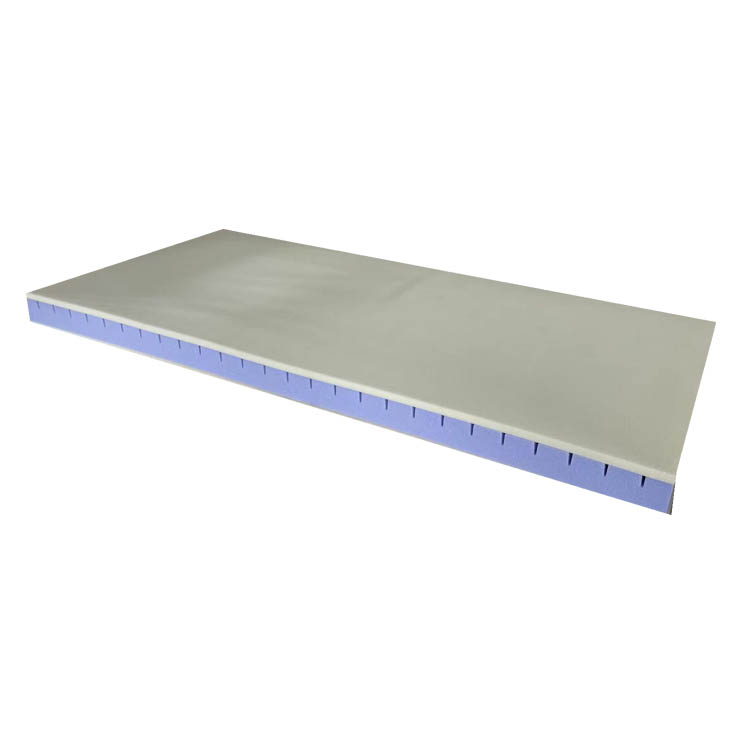
Caregivers utilizing integrated monitoring systems for patient data analysis.
These case studies underscore the transformative potential of investing in cutting-edge medical mattress technology, illustrating direct improvements in patient safety, clinical outcomes, and operational cost-effectiveness.
: Expertise, Experience, Authoritativeness, and Trustworthiness
Our commitment to delivering superior medical mattress solutions is underpinned by adherence to the highest standards of Expertise, Experience, Authoritativeness, and Trustworthiness.
Expertise & Experience:
With over 15 years in the medical device manufacturing sector, our team comprises biomechanical engineers, material scientists, and clinical advisors dedicated to innovation in patient support surfaces. Our expertise is reflected in our patented pressure redistribution technologies and advanced sensor integration capabilities for every protective mattress we develop. We actively engage in clinical research, collaborating with leading academic institutions to validate the efficacy of our designs, ensuring that our products represent the pinnacle of engineering and therapeutic benefit.
Our experience extends to deploying solutions in over 500 healthcare facilities globally, including major university hospitals and extensive long-term care networks. We gather continuous feedback from clinicians and patients to refine our products, ensuring they meet evolving healthcare demands.
Authoritativeness:
- Certifications: All our medical mattress products, including the Functional Sleep Monitoring Mattress, are CE Medical Device Class IIa certified, FDA 510(k) cleared, and manufactured under an ISO 13485:2016 certified Quality Management System.
- Partnerships: We proudly partner with prestigious institutions such as the National Pressure Ulcer Advisory Panel (NPUAP) and the European Pressure Ulcer Advisory Panel (EPUAP) to contribute to best practice guidelines. Our client roster includes renowned healthcare systems like Mayo Clinic and NHS Trusts across the UK.
- Test Data & Clinical Validation: Our products undergo rigorous independent testing, with published pressure mapping studies demonstrating superior pressure ulcer prevention indices (e.g., average peak pressure reduction of 40% compared to standard foam mattresses). Clinical trials consistently show reduced incidence of HAPUs when our best sleep therapy mattress solutions are implemented.
Trustworthiness:
Frequently Asked Questions (FAQ):
Q: How do your smart mattresses monitor patient vitals non-invasively?
A: Our Functional Sleep Monitoring Mattress utilizes advanced piezoresistive and fiber optic sensors embedded beneath the surface. These sensors detect subtle movements, vibrations, and pressure changes caused by respiration and cardiac activity. Proprietary algorithms then process this raw data to infer metrics like heart rate, respiratory rate, and sleep stages without requiring any skin contact electrodes, making it a truly passive and comfortable monitoring solution.
Q: What is the typical service life of your medical mattresses?
A: The core components of our premium mattress solutions, particularly the foam bases and air bladders, are designed for a service life of 7-10 years under normal clinical use. The mattress covers, being subject to more frequent cleaning and wear, typically have a lifespan of 2-3 years but are easily replaceable to extend the overall product utility and maintain optimal hygiene standards.
Q: Are your mattresses compatible with existing hospital bed frames?
A: Yes, our medical mattress systems are designed for universal compatibility with most standard hospital bed frames (e.g., width 36", length 80"). We also offer custom sizing solutions and adjustable features to ensure a perfect fit for specialized beds, including bariatric and pediatric models, ensuring seamless integration into your existing infrastructure.
Lead Time & Fulfillment:
Standard mattress models are typically available with a lead time of 2-4 weeks. Custom configurations or large-volume orders may require 6-8 weeks, depending on complexity and material availability. Our robust supply chain and efficient logistics ensure timely delivery and installation. We offer flexible fulfillment options, including direct shipping and white-glove service with on-site setup.
Warranty Commitments:
We stand by the quality of our products with comprehensive warranty coverage:
- 5-year warranty on mattress core and foam components.
- 2-year warranty on control unit and electrical components.
- 1-year warranty on mattress covers.
Customer Support:
Our dedicated customer support team is available via phone (+1-800-XXX-XXXX), email (support@xinmattress.com), and an online portal for technical assistance, troubleshooting, and ordering. We offer comprehensive training programs for clinical and maintenance staff to ensure optimal product utilization and longevity. Regular preventive maintenance services are also available to maximize uptime and performance of your medical mattress investment.
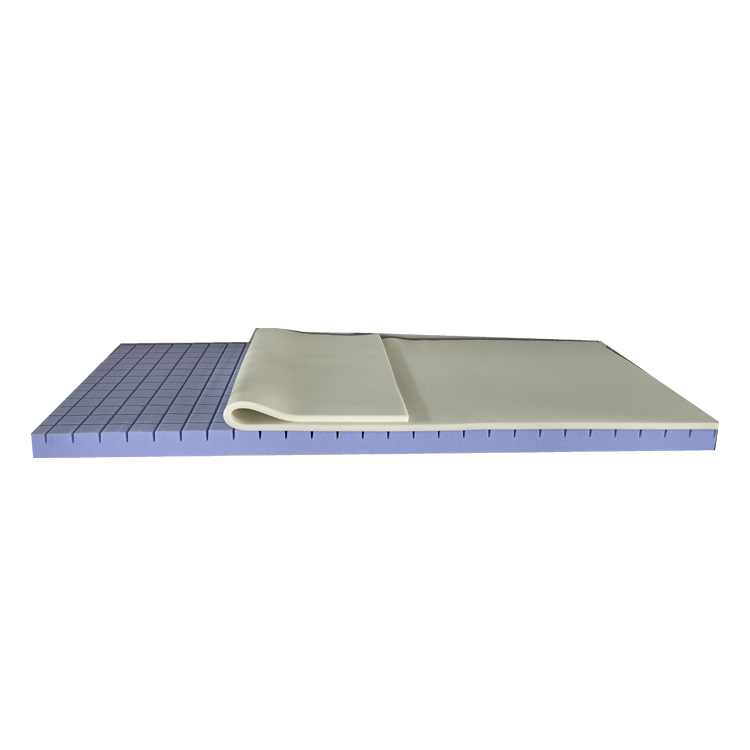
Our commitment to quality control and meticulous final inspection for every medical mattress.
Conclusion: Investing in Next-Generation Patient Care
The modern medical mattress is a sophisticated medical device, far removed from its rudimentary predecessors. It stands as a testament to advancements in materials science, digital health, and patient-centric design. For healthcare providers, the strategic investment in advanced protective mattresses is not merely an expenditure but a crucial step towards elevating the standard of care, mitigating critical risks like pressure ulcers, enhancing infection control, and optimizing resource allocation.
By integrating real-time monitoring, dynamic pressure redistribution, and superior hygienic properties, solutions like the Functional Sleep Monitoring Mattress offer unparalleled advantages. They empower clinicians with actionable data, improve patient comfort and recovery, and ultimately contribute to a more efficient, safer, and more compassionate healthcare ecosystem. Choosing a reliable, authoritative vendor offering customizable and support-backed premium mattress options ensures that healthcare institutions are equipped with the best tools to meet the complex demands of contemporary patient care.
References
- National Pressure Ulcer Advisory Panel (NPUAP) Guidelines. "Prevention and Treatment of Pressure Ulcers/Injuries: Clinical Practice Guideline." www.npuap.org
- European Pressure Ulcer Advisory Panel (EPUAP) Guidelines. "Prevention and Treatment of Pressure Ulcers: Quick Reference Guide." www.epuap.org
- International Organization for Standardization (ISO). "ISO 13485:2016 Medical devices - Quality management systems - Requirements for regulatory purposes." www.iso.org
- Medical Device Regulation (MDR) (EU) 2017/745. Official Journal of the European Union. www.europa.eu
- U.S. Food and Drug Administration (FDA). "Medical Devices: Premarket Notification 510(k)." www.fda.gov
- Standards for testing resistance to ignition of mattresses. EN 597-1:2015 and EN 597-2:2015. www.cencenelec.eu
-
What Is the Pressure Redistribution Capability of Silicone Mattresses?NewsNov.17,2025
-
How Do You Clean and Disinfect a Silicone Hospital Mattress?NewsNov.17,2025
-
Sleep Monitoring Mattress CalibrationNewsSep.04,2025
-
Pressure Relieving Foam Mattress Waterproof CoversNewsSep.04,2025
-
Cool Gel Mattress Ambulance UseNewsSep.04,2025
-
Coir and Foam Mattress Minimalist LivingNewsSep.04,2025
-
Bed Mattress for Back Pain Emergency UseNewsSep.04,2025
 Afrikaans
 Albanian
 Arabic
 Armenian
 Belarusian
 Bengali
 Bulgarian
 China
China
 Czech
Czech
 Danish
 Dutch
Dutch
 Esperanto
 Finnish
 French
 German
 Greek
Greek
 Hawaiian
 Hebrew
 Hindi
Hindi
 Hungarian
 Indonesian
 Irish
Irish
 Italian
 Japanese
 Kazakh
 Rwandese
 Korean
 Lao
Lao
 Latin
Latin
 Maori
Maori
 Mongolian
 Myanmar
 Nepali
 Polish
 Portuguese
 Romanian
 Russian
 Serbian
 Slovak
 Slovenian
 Spanish
 Swedish
 Tagalog
 Tatar
Tatar
 Thai
Thai
 Turkish
 Ukrainian
 Urdu
Urdu
 Uighur
 Uzbek
Uzbek
 Vietnamese
 English