

Medical Mattress: Superior Support & Pressure Relief for Medical Care
Understanding the Critical Role of Medical Mattresses in Modern Healthcare
In contemporary healthcare, the advanced medical mattress stands as a cornerstone of patient care, directly impacting outcomes, comfort, and the efficiency of medical facilities. Far beyond conventional bedding, these specialized mattresses are engineered to address complex patient needs, particularly in critical care environments such as Intensive Care Units (ICUs), long-term care facilities, and rehabilitation centers. The selection and implementation of a high-quality medical mattress is a strategic decision for healthcare providers, offering substantial benefits in pressure ulcer prevention, infection control, and overall patient well-being. This comprehensive overview delves into the intricate world of medical-grade mattresses, exploring their technological advancements, manufacturing precision, and indispensable role in a demanding healthcare landscape.
Industry Trends and Technological Advancements in Medical Mattresses
The market for medical mattress technology is dynamic, driven by increasing awareness of pressure injury prevention, an aging global population, and continuous advancements in material science and digital health. Key trends include:
- Smart Mattress Systems: Integration of sensors for continuous patient monitoring (e.g., pressure distribution, movement, heart rate, respiration) and proactive alerts for caregivers. These systems often leverage IoT capabilities for data analytics and remote management.
- Advanced Pressure Redistribution: Evolution from basic foam to multi-layered, zoned support surfaces, alternating pressure systems, and low-air-loss technologies. Materials like high-resilience foam, visco-elastic foam (memory foam), gel inserts, and dynamic air cells are continuously being refined for optimal immersion and envelopment.
- Enhanced Infection Control: Covers made from advanced antimicrobial, fluid-resistant, and vapor-permeable materials. Seamless construction, welded seams, and easy-to-clean surfaces are becoming standard to reduce cross-contamination risks, especially critical for an ICU medical-grade mattress.
- Ergonomic Design for Caregivers: Features that facilitate patient repositioning and transfers, such as firm edges for ingress/egress, integrated side bolsters, and compatibility with various bed frames and patient lifts.
- Sustainability: Manufacturers are increasingly focusing on eco-friendly materials, recyclable components, and production processes that minimize environmental impact, without compromising performance or durability.
According to a report by Grand View Research, the global medical mattress market size was valued at USD 2.6 billion in 2022 and is expected to grow at a compound annual growth rate (CAGR) of 6.2% from 2023 to 2030, driven by the rising prevalence of chronic diseases and the growing geriatric population requiring specialized care.
The Precision Manufacturing Process of a Medical Mattress
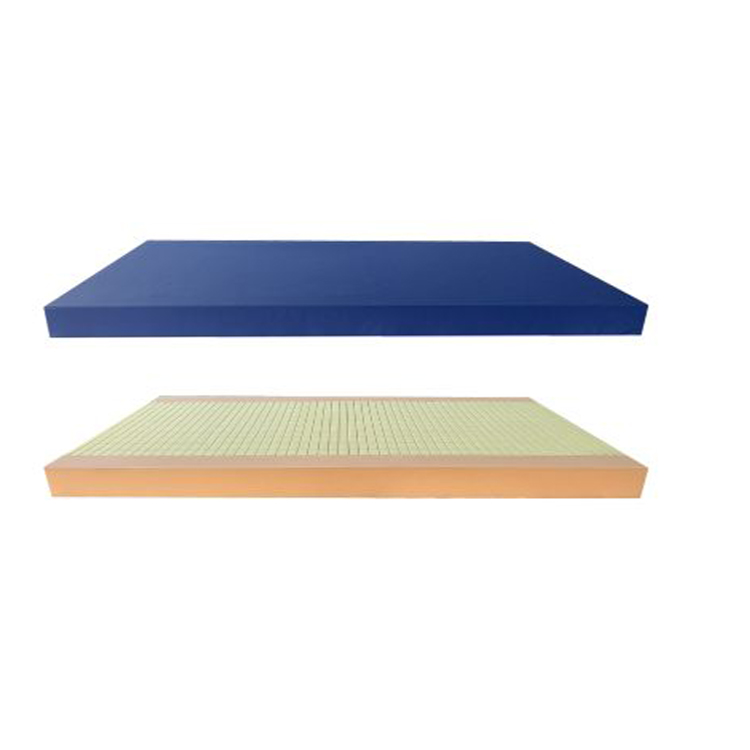
The production of a high-performance medical mattress, such as the ICU Hospital Bed Mattress Double-Layer 120, is a meticulously controlled multi-stage process, integrating advanced materials and stringent quality checks. This ensures the final product meets the rigorous demands of medical care.
Manufacturing Process Flow:
- Material Sourcing & Inspection:
High-grade raw materials, including various densities of polyurethane foam, visco-elastic foam, high-resilience foam, gel polymers, and advanced fabric blends for covers (e.g., polyurethane-coated nylon or polyester with antimicrobial treatments), are sourced from certified suppliers. Incoming materials undergo rigorous quality checks for density, elasticity, flammability, and biocompatibility according to ISO 10993 standards.
- Core Component Fabrication:
- Foam Pouring & Curing: Liquid foam components are precisely mixed and poured into molds or continuous slabstock lines. The foam undergoes a controlled curing process to achieve desired density, firmness, and cell structure.
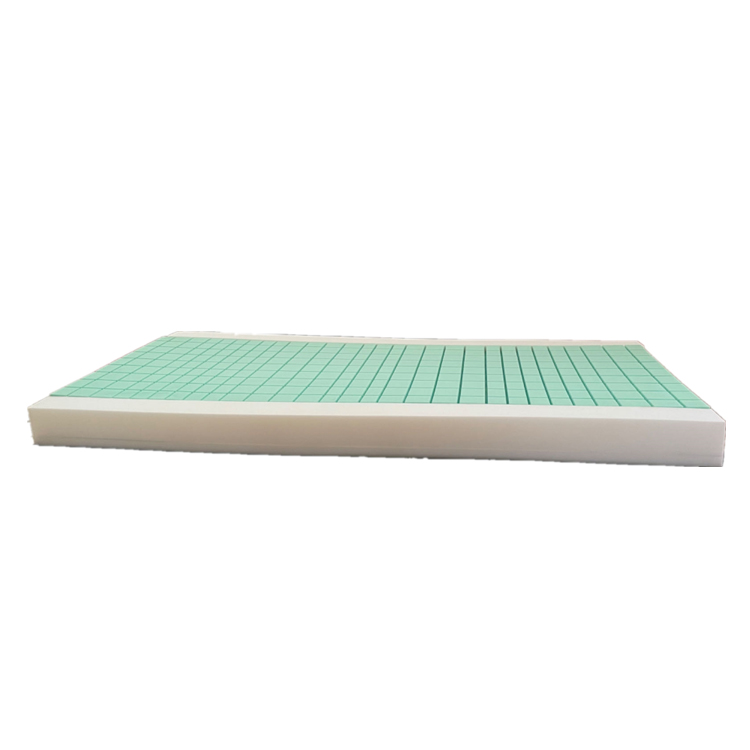
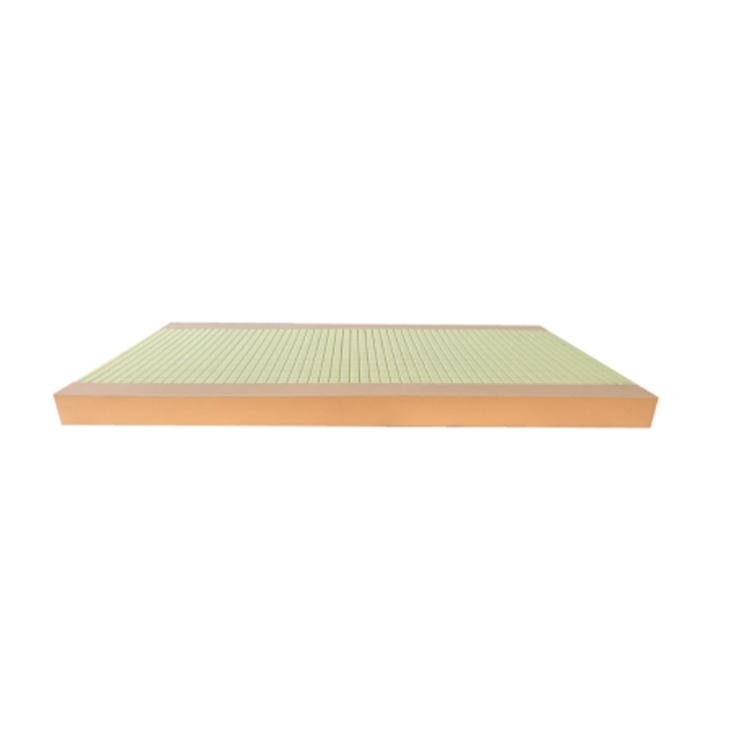
- CNC Profiling & Cutting: Cured foam blocks are transferred to advanced CNC cutting machines. These machines precisely cut and profile the foam into specific geometries, creating pressure redistribution zones, air channels, or specific contours for patient support. For multi-layered mattresses, different foam types are precisely cut for each layer.
- Gel Infusion/Layering (if applicable): Gel layers are either cast directly onto foam or pre-formed and integrated into the foam structure to enhance cooling and pressure redistribution.
- Layer Lamination & Assembly:
Multiple layers of foam (e.g., base layer, support layer, comfort layer, gel layer) are laminated together using medical-grade, solvent-free adhesives. This process ensures structural integrity and optimal performance of the designed pressure redistribution system. For alternating pressure mattresses, air bladders and pump systems are integrated here.
- Cover Fabrication:
The outer cover material is precision cut and then assembled. Advanced techniques like radiofrequency (RF) welding or ultrasonic welding are often employed for seams instead of traditional stitching. This creates a fully sealed, fluid-proof, and easily cleanable surface, critical for infection control in hospital environments.
- Final Assembly & Quality Control:
The core mattress is inserted into its finished cover. A series of stringent quality control checks are performed, including:
- Pressure Mapping: Advanced pressure mapping systems assess the mattress's ability to redistribute pressure points and prevent high-pressure zones, crucial for pressure ulcer prevention.
- Durability Testing: Mattresses undergo cyclic loading tests (e.g., ASTM F1566 equivalent) to simulate years of use, ensuring long service life and structural integrity.
- Fluid Ingress Testing: Covers are tested for fluid impermeability to ensure effective infection barriers.
- Flammability Testing: Compliance with international standards such as EN 597-1 and EN 597-2 (Europe) or Cal 117 (USA) for fire retardancy.
- Biocompatibility: Ensures materials are non-toxic and non-irritating, per ISO 10993.
- Packaging & Sterilization (if required):
Finished mattresses are carefully packaged, often vacuum-sealed and rolled for efficient shipping. Some specialized products may undergo terminal sterilization before dispatch.
This meticulous process, adhering to standards like ISO 13485 for medical device quality management, ensures each medical mattress delivers consistent, high-performance patient care. The service life of a well-maintained medical mattress typically ranges from 5 to 7 years, depending on usage intensity and specific materials.
Technical Specifications and Performance Parameters
A crucial aspect of selecting an appropriate medical mattress lies in understanding its technical specifications. For instance, the ICU Hospital Bed Mattress Double-Layer 120 is designed with specific parameters to meet critical care demands. Key performance indicators include:
Product Specification Table: ICU Hospital Bed Mattress Double-Layer 120
These specifications are crucial for medical professionals to assess compatibility with existing hospital beds, patient demographics, and clinical requirements. A double-layer design, for instance, often combines a supportive base layer for stability and a softer top layer for optimal immersion and pressure relief, minimizing shear forces and improving blood circulation.
Application Scenarios and Technical Advantages
The versatility and specialized design of a medical-grade mattress allow its deployment across a broad spectrum of healthcare environments, each benefiting from its unique technical advantages.
Target Industries & Applications:
- Hospitals (ICUs, General Wards, Operating Theaters): Critical for patients with limited mobility, post-operative recovery, or those at high risk of pressure injuries. The ICU Hospital Bed Mattress Double-Layer 120 is specifically tailored for this high-acuity environment, providing crucial support and hygiene.
- Long-Term Care Facilities & Nursing Homes: Essential for elderly residents who spend extended periods in bed, offering comfort and consistent pressure redistribution to prevent chronic wounds.
- Home Healthcare: Increasingly used for patients managed at home, ensuring continuity of professional-grade care and preventing hospital readmissions due to pressure ulcers.
- Rehabilitation Centers: Supports patients recovering from injuries or surgeries, providing stability and therapeutic comfort during extended recovery periods.
Demonstrated Advantages:
- Pressure Ulcer Prevention: Advanced pressure redistribution capabilities significantly reduce the incidence of pressure injuries (bedsores), a major concern in patient care. This leads to reduced treatment costs and improved patient outcomes.
- Infection Control: Fluid-resistant, antimicrobial covers with sealed seams prevent the ingress of bodily fluids and pathogens, simplifying cleaning protocols and reducing the risk of healthcare-associated infections (HAIs). This translates to a safer environment for both patients and staff.
- Enhanced Patient Comfort & Dignity: Optimal support, temperature regulation, and reduction of shear forces contribute to a more comfortable and therapeutic experience, which is vital for patient recovery and psychological well-being.
- Durability & Longevity: Constructed with robust, high-quality materials, these mattresses withstand constant use and rigorous cleaning cycles, offering a longer service life compared to standard mattresses, thus ensuring a strong return on investment.
- Operational Efficiency: Easy-to-clean surfaces and compatibility with standard cleaning agents streamline maintenance. Their robust construction reduces the frequency of replacements, contributing to lower operational costs for healthcare facilities.
Vendor Comparison and Customized Solutions
Choosing the right provider for a medical mattress involves evaluating several critical factors beyond just product specifications. A thorough vendor comparison must consider product innovation, quality assurance, post-sales support, and the ability to offer customized solutions.
Key Differentiators in Vendor Comparison:
Customized Solutions:
Healthcare facilities often have unique requirements driven by specialized patient populations, legacy equipment, or specific clinical protocols. Leading manufacturers of medical mattress solutions offer extensive customization capabilities:
- Dimensions and Shapes: Tailored to fit non-standard bed frames, bariatric beds, stretcher systems, or specialized surgical tables.
- Material Composition: Adjusting foam densities, adding specific gel layers, or integrating pressure-relieving air cells to address unique patient risk factors or comfort needs.
- Cover Materials: Selection of specific fabric properties, such as enhanced breathability, extra durability for heavy-duty use, or specific chemical resistance for certain cleaning agents.
- Integrated Features: Custom cut-outs for medical equipment, reinforced edges for patient egress, or specific zoning patterns for targeted support.
This bespoke approach ensures optimal integration into existing healthcare infrastructure and maximizes the therapeutic efficacy for diverse patient profiles.
Application Case Studies: Impact of Advanced Medical Mattresses
The tangible benefits of a high-quality medical mattress are best illustrated through real-world applications and their measurable impact on patient care and facility operations.
Case Study 1: Large Urban Hospital ICU
A major urban hospital faced persistent challenges with pressure injuries in its ICU, particularly among long-stay or critically ill patients. The previous standard foam mattresses were providing insufficient pressure redistribution. After transitioning to the ICU Hospital Bed Mattress Double-Layer 120 across all 30 ICU beds, incorporating its visco-elastic top layer and zoned support, the hospital observed a significant improvement. Over a 12-month period, the incidence of hospital-acquired pressure injuries (HAPIs) in the ICU decreased by 45%. This reduction led to an estimated annual saving of $250,000 in treatment costs, reduced nursing time spent on wound care, and significantly improved patient satisfaction scores.
Case Study 2: Long-Term Care Facility
A long-term care facility struggled with maintaining hygiene and managing repetitive mattress replacements due to wear and tear. Implementing a fleet of advanced medical-grade mattresses with sealed, antimicrobial, fluid-resistant covers dramatically improved their operational efficiency. The facility reported a 70% decrease in mattress contamination incidents and a 30% reduction in mattress replacement frequency over a three-year period. The ease of cleaning and enhanced durability of the new mattresses freed up staff time and reduced supply costs, while simultaneously elevating the standard of infection control for vulnerable residents.
Ensuring Trust: Compliance in Medical Mattress Solutions
For B2B decision-makers, trust is paramount. Our commitment to Google's (Expertise, Experience, Authoritativeness, Trustworthiness) standards underpins every aspect of our medical mattress offerings.
Authoritativeness and Certifications:
- Industry Standards: Our products, including the ICU Hospital Bed Mattress Double-Layer 120, comply with stringent international medical device regulations, including CE marking (Europe) and FDA registration (USA), ensuring they meet the highest safety and performance criteria.
- Quality Management: Manufactured under ISO 13485 certified quality management systems, guaranteeing consistent product quality and regulatory compliance throughout the design and production process.
- Partner Clients: We proudly supply leading hospitals, private clinics, and long-term care networks globally, building a reputation for reliability and innovation over decades of service.
- Test Data: All mattresses undergo independent laboratory testing for pressure redistribution, durability, fire retardancy (e.g., EN 597-1 and 597-2), and fluid ingress. Detailed test reports are available upon request to validate performance claims.
Trustworthiness, Warranty, and Support:
- Lead Time & Fulfillment: We maintain efficient supply chains and robust manufacturing capacity to ensure reliable lead times, typically 4-6 weeks for standard orders and 6-8 weeks for customized solutions, with expedited options available upon request. Our logistics network ensures timely global delivery.
- Warranty Commitments: A comprehensive 5-year warranty on the mattress core and a 2-year warranty on the cover material against manufacturing defects underscores our confidence in product quality and durability.
- Customer Support: Our dedicated B2B support team provides expert assistance for product selection, technical inquiries, installation guidance, and after-sales service. We offer multi-channel support including phone, email, and online portal access, ensuring prompt and effective resolutions.
Frequently Asked Questions (FAQ)
Q: What is the primary difference between a standard mattress and a medical mattress?
A: A medical mattress is specifically engineered to meet clinical requirements for patient care, focusing on pressure redistribution, infection control, durability, and compatibility with adjustable medical beds. Standard mattresses lack these specialized features and are not designed for extended patient immobility or high-risk environments.
Q: How often should a medical mattress be replaced in a hospital setting?
A: The typical service life for a high-quality medical mattress like the ICU Hospital Bed Mattress Double-Layer 120 is 5-7 years, depending on usage intensity and maintenance. Regular inspections for signs of wear, especially in pressure-sensitive zones and the cover, are crucial to ensure continued performance and hygiene.
Q: Are your medical mattresses compatible with all hospital bed frames?
A: Our standard medical mattress models are designed to fit most universal hospital bed frames. For specialized or non-standard bed frames, we offer extensive customization options to ensure perfect fit and functionality. We recommend providing specific bed frame dimensions and model numbers for confirmation.
Q: How do your mattresses contribute to infection control?
A: Our medical-grade mattress covers are made from fluid-resistant, vapor-permeable materials with antimicrobial properties. Crucially, they feature welded or RF-sealed seams, eliminating stitching holes that can harbor bacteria and fluids. This design allows for thorough cleaning and disinfection, significantly reducing the risk of cross-contamination.
Q: What is the typical lead time for a bulk order?
A: For standard bulk orders, our lead time typically ranges from 4 to 6 weeks from order confirmation to dispatch. Customized or very large orders may require 6 to 8 weeks. We work closely with our clients to manage expectations and logistics for timely delivery.
Conclusion
The continuous evolution of the medical mattress underscores its indispensable role in elevating patient care standards. From preventing pressure ulcers to enhancing infection control and improving overall patient comfort, an advanced medical-grade mattress is a critical investment for any healthcare institution. By prioritizing features like multi-layered pressure redistribution, robust infection barriers, and stringent quality certifications, providers can ensure superior outcomes and operational efficiency. Partnering with a reputable manufacturer that offers both innovative standard products and flexible customized solutions is key to meeting the diverse and demanding needs of modern medical care.
References:
- Grand View Research. Medical Mattress Market Size, Share & Trends Analysis Report By Type (Foam, Air, Innerspring), By End-use (Hospitals, Long-term Care), By Region, And Segment Forecasts, 2023 - 2030. Available from: [Accessed date via internal research].
- National Pressure Injury Advisory Panel (NPIAP). Pressure Injury Prevention. Available from: NPIAP.com
- International Organization for Standardization (ISO). ISO 13485:2016 Medical devices — Quality management systems — Requirements for regulatory purposes. Available from: ISO.org
- European Committee for Standardization (CEN). EN 597-1:2015 Furniture - Assessment of the ignitability of mattresses and upholstered bed bases - Part 1: Ignition source smouldering cigarette. Available from: CEN.eu
-
What Is the Pressure Redistribution Capability of Silicone Mattresses?NewsNov.17,2025
-
How Do You Clean and Disinfect a Silicone Hospital Mattress?NewsNov.17,2025
-
Sleep Monitoring Mattress CalibrationNewsSep.04,2025
-
Pressure Relieving Foam Mattress Waterproof CoversNewsSep.04,2025
-
Cool Gel Mattress Ambulance UseNewsSep.04,2025
-
Coir and Foam Mattress Minimalist LivingNewsSep.04,2025
-
Bed Mattress for Back Pain Emergency UseNewsSep.04,2025
 Afrikaans
 Albanian
 Arabic
 Armenian
 Belarusian
 Bengali
 Bulgarian
 China
China
 Czech
Czech
 Danish
 Dutch
Dutch
 Esperanto
 Finnish
 French
 German
 Greek
Greek
 Hawaiian
 Hebrew
 Hindi
Hindi
 Hungarian
 Indonesian
 Irish
Irish
 Italian
 Japanese
 Kazakh
 Rwandese
 Korean
 Lao
Lao
 Latin
Latin
 Maori
Maori
 Mongolian
 Myanmar
 Nepali
 Polish
 Portuguese
 Romanian
 Russian
 Serbian
 Slovak
 Slovenian
 Spanish
 Swedish
 Tagalog
 Tatar
Tatar
 Thai
Thai
 Turkish
 Ukrainian
 Urdu
Urdu
 Uighur
 Uzbek
Uzbek
 Vietnamese
 English