

Sleep Monitoring Mattress Calibration
Modern sleep technology has revolutionized how we understand rest patterns through advanced sleep monitoring mattress systems. Our precision-engineered sleep tracking mattress and sleep tracking mattress pad solutions combine therapeutic comfort with cutting-edge biometric analysis, requiring proper calibration to deliver accurate health insights. This guide covers essential setup and optimization techniques to ensure your sleep monitoring system performs at peak accuracy.
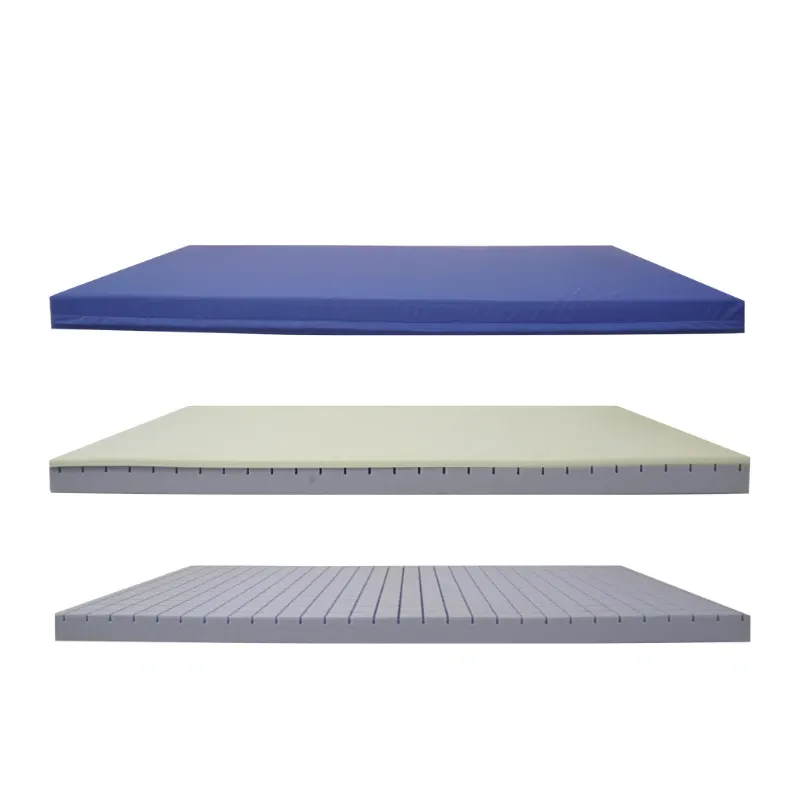
Initial Setup for Sleep Monitoring Mattress
Proper installation ensures optimal sleep monitoring mattress performance:
- Place mattress on a firm, level surface away from electrical interference
• Connect to stable 220v power source with surge protection
• Allow 72-hour acclimation period for sensor stabilization
• Position mattress with monitoring zone aligned to torso area
• Verify all data transmission connections are secure
|
Product Name |
نیند کی نگرانی |
|
Standard Sizes |
1950×900×120 mm (±5 mm), customizable specifications |
|
Weight Range |
Effective lift > 100 kg |
|
Core Material |
Polyether and polyester mixed high-grade polyurethane foam |
|
Cover Material |
پولیوریتھین لیپت پالئیےسٹر (PU) طبی دیکھ بھال کے لیے کور |
Calibration Process for Sleep Tracking Mattress
Accurate sleep tracking mattress readings require proper calibration:
- Perform initial calibration with user lying in multiple positions
• Adjust sensitivity settings based on individual body weight
• Set baseline measurements during daytime wakefulness
• Confirm heart rate accuracy against manual pulse check
• Test respiratory monitoring with controlled breathing patterns
Optimizing Sleep Tracking Mattress Pad
Maximize your sleep tracking mattress pad effectiveness:
- Ensure full contact between pad and mattress surface
• Smooth out any wrinkles or folds in the pad material
• Position pad correctly under torso area for best readings
• Clean sensors regularly according to manufacturer guidelines
• Verify wireless connectivity strength before sleep sessions
Sensor Accuracy Maintenance
Keeping your sleep monitoring mattress precise:
- Weekly calibration checks recommended for clinical use
• Monthly deep calibration for home users
• Recalibrate after significant weight changes (+/- 5kg)
• Verify sensor responsiveness after mattress rotation
• Update firmware regularly for improved algorithms
Data Interpretation Guidelines
Understanding your sleep tracking mattress outputs:
- Learn to distinguish between sleep stages on reports
• Identify normal vs. concerning respiratory patterns
• Track heart rate variability trends over time
• Recognize position-related sleep quality differences
• Correlate sleep data with daytime energy levels
Troubleshooting Common Issues
Maintaining sleep tracking mattress pad reliability:
- Address connectivity drops by relocating routers
• Fix inconsistent readings by re-calibrating
• Resolve power issues with dedicated outlet
• Correct misaligned data through factory reset
• Update software to resolve synchronization problems
Sleep Monitoring Mattress FAQS
Q: How does a sleep tracking mattress enhance data accuracy compared to a basic sleep monitoring mattress?
A: A sleep tracking mattress often integrates advanced sensors (like piezoelectric or fiber-optic) to measure heart rate, breathing patterns, and movement, whereas basic sleep monitoring mattresses may only track motion. Tracking models use AI algorithms to analyze sleep stages (deep, REM, light), providing detailed reports on sleep efficiency, while monitors might offer simpler metrics like total sleep time.
Q: What key differences exist between a sleep tracking mattress pad and an embedded sleep monitoring mattress?
A: A sleep tracking mattress pad is a portable overlay with thin sensors, ideal for existing mattresses, while an embedded sleep monitoring mattress has sensors built into the core. Pads are easier to install but may have limited accuracy due to movement, whereas integrated mattresses provide consistent data. Pads often rely on Bluetooth for connectivity, while mattresses may have built-in hubs for smarter home integration.
Q: Can a sleep tracking mattress pad provide the same insights as a dedicated sleep monitoring mattress?
A: While a sleep tracking mattress pad can measure basic metrics like sleep duration and motion, it may not match the depth of data from a sleep monitoring mattress. Mattresses with embedded sensors better detect subtle movements (e.g., micro-arousals) and can adjust firmness in real-time based on sleep stages, a feature rare in pads. Pads are suitable for casual users, while mattresses cater to serious sleep health enthusiasts.
Q: How does maintenance for a sleep monitoring mattress differ from a sleep tracking mattress pad?
A: Sleep monitoring mattresses with built-in sensors require professional cleaning to avoid damaging electronics, while sleep tracking mattress pads often have removable, machine-washable covers. Mattresses may need periodic firmware updates via their app, whereas pads typically have simpler maintenance (e.g., battery replacements for wireless models). Always check the manufacturer’s guide to prevent sensor damage during cleaning.
Q: Are there privacy considerations for sleep monitoring mattress, sleep tracking mattress, and sleep tracking mattress pad?
A: Yes—all three collect personal health data, so look for models with end-to-end encryption (e.g., GDPR-compliant). Sleep monitoring mattresses from reputable brands allow users to delete data or opt out of cloud storage, while some sleep tracking mattresses/pads may share anonymized data for research. Avoid devices that lack clear privacy policies, especially those connecting to third-party apps without consent.
-
What Is the Pressure Redistribution Capability of Silicone Mattresses?خبریںNov.17,2025
-
How Do You Clean and Disinfect a Silicone Hospital Mattress?خبریںNov.17,2025
-
Pressure Relieving Foam Mattress Waterproof CoversخبریںSep.04,2025
-
Cool Gel Mattress Ambulance UseخبریںSep.04,2025
-
Coir and Foam Mattress Minimalist LivingخبریںSep.04,2025
-
Bed Mattress for Back Pain Emergency UseخبریںSep.04,2025
-
Air Wave Mattress Sleep PositionsخبریںSep.04,2025
 English
 Afrikaans
 Albanian
 Arabic
 Armenian
 Belarusian
 Bengali
 Bulgarian
 China
China
 Czech
Czech
 Danish
 Dutch
Dutch
 Esperanto
 Finnish
 French
 German
 Greek
Greek
 Hawaiian
 Hebrew
 Hindi
Hindi
 Hungarian
 Indonesian
 Irish
Irish
 Italian
 Japanese
 Kazakh
 Rwandese
 Korean
 Lao
Lao
 Latin
Latin
 Maori
Maori
 Mongolian
 Myanmar
 Nepali
 Polish
 Portuguese
 Romanian
 Russian
 Serbian
 Slovak
 Slovenian
 Spanish
 Swedish
 Tagalog
 Tatar
Tatar
 Thai
Thai
 Turkish
 Ukrainian
 Uighur
 Uzbek
Uzbek
 Vietnamese
 Urdu
Urdu